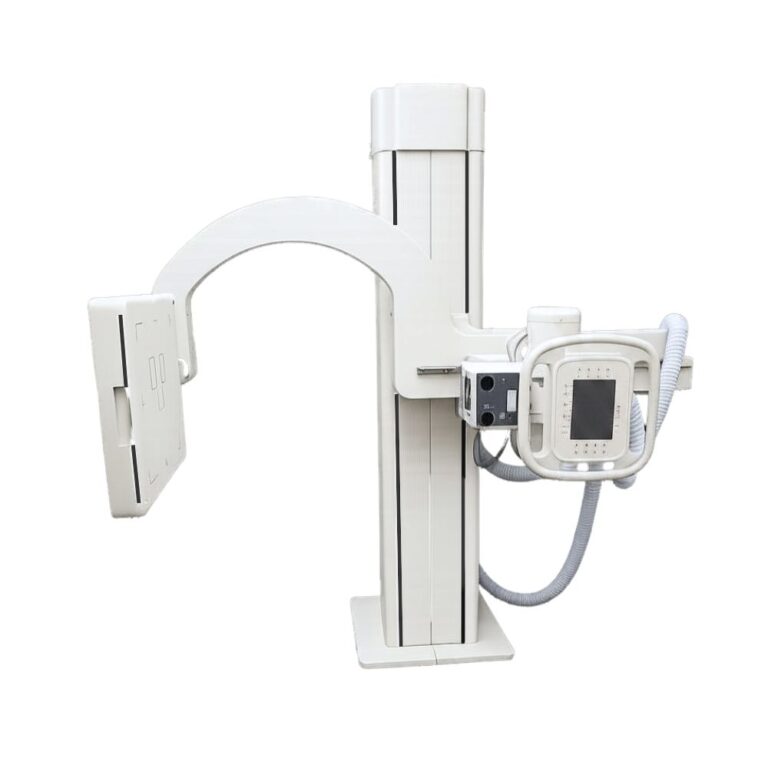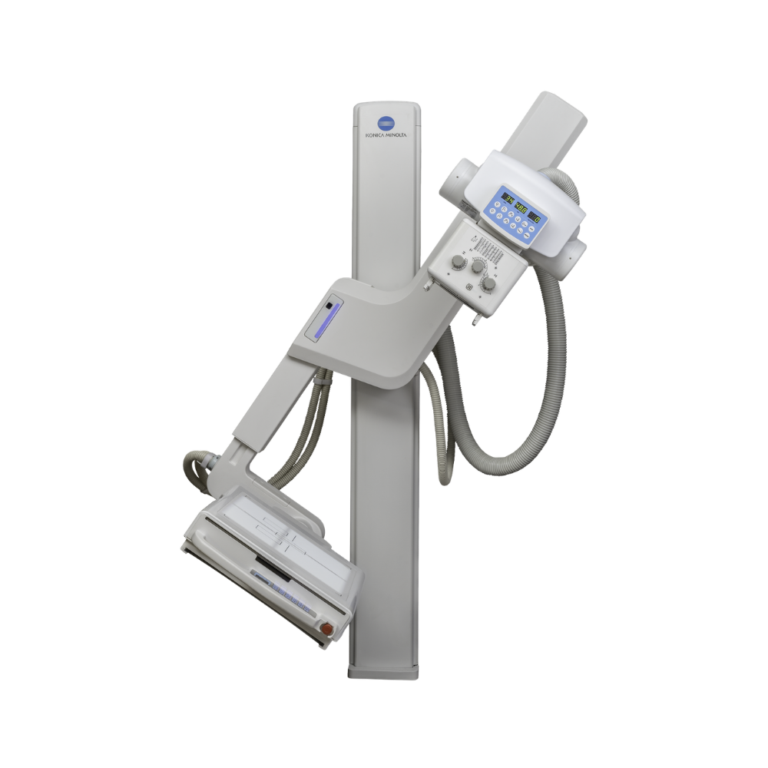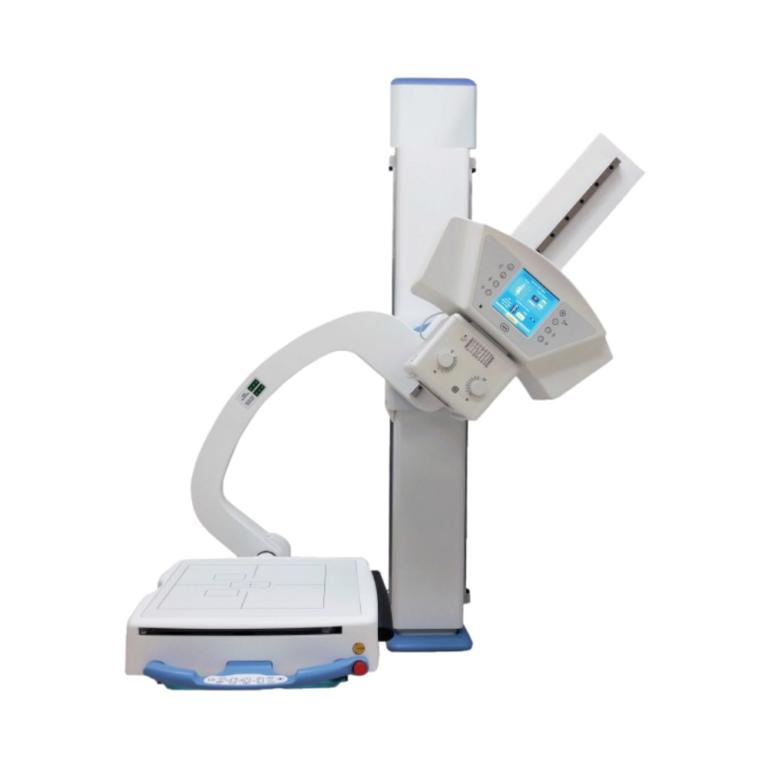
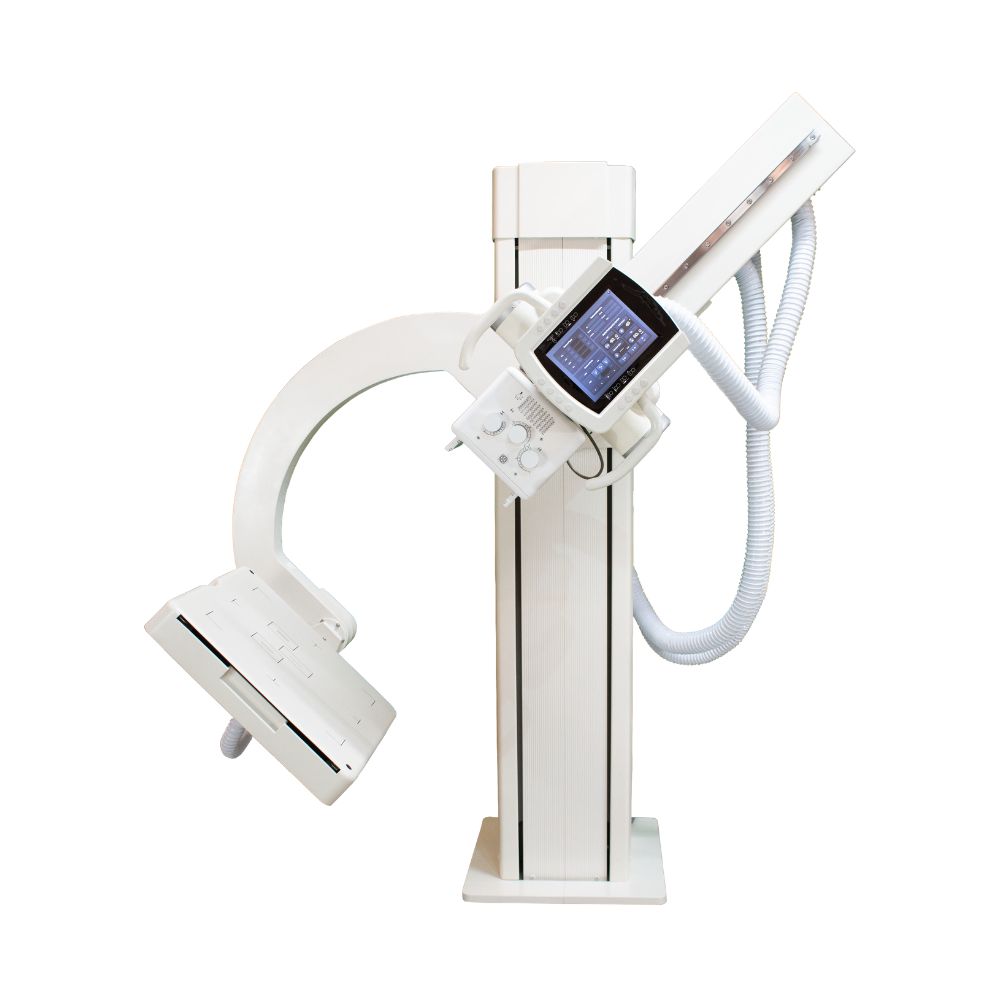
Accogent by Pausch Paxis 250 Auto X-Ray
- Category:
- X-Ray Systems
- Brand:
- Accogent by Pausch LLC
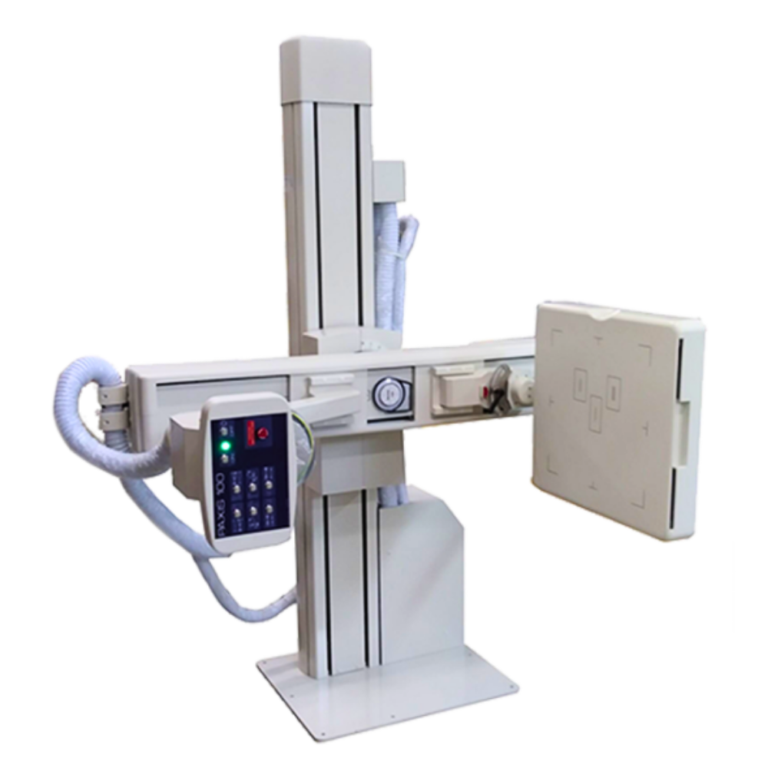
The Pausch Paxis 250 Auto is a universal X-ray positioning system for practices and imaging departments that need flexible general radiography. Full motorized positioning, built-in automatic positioning, and three programmed source-to-image distances support a broad range of exam setups from one system.
Pausch Paxis 250 Auto Highlights & Benefits
The Paxis 250 Auto combines full motorized positioning with built-in auto-positioning, giving technologists access to programmed positions while retaining motorized control for exam setups that require additional adjustment.
Key Benefits
-
- Full motorized positioning
- Built-in automatic positioning
- Three programmed source-to-image distance positions
- Automatic or manually controlled motorized positioning
- Positioning capability from skull through lower-extremity procedures
Together, these capabilities provide flexible positioning for general radiography while reducing the amount of physical equipment repositioning required during setup.
Paxis 250 Auto Motorized & Automatic Positioning
Three Programmed Source-to-Image Distances
The Paxis 250 Auto provides three programmed source-to-image distance (SID) positions. SID refers to the distance between the X-ray source and the image receptor during an exposure.
-
- 40 in (101.6 cm) horizontal
- 72 in (182.9 cm) horizontal
- 40 in (101.6 cm) vertical
These programmed distances provide established horizontal and vertical positioning options for commonly used radiographic setups.
Automatic Position Recall
Built-in auto-positioning allows programmed positions to be called up automatically. This gives the operator a repeatable way to return the system to its established positioning configurations.
Manual Motorized Positioning
The Paxis 250 Auto is not limited to its programmed positions. Motorized positioning can also be controlled manually when the patient or projection requires a different setup.
This combination of automatic and manually controlled positioning is one of the system’s primary differentiators.
Pausch Paxis 250 Auto Imaging Range & Clinical Applications
From Skull to Lower-Extremity Imaging
The Paxis 250 Auto provides a broad range of positioning for general radiography. Its range of motion is designed to support procedures extending from skull imaging through lower-extremity examinations.
That range can be particularly useful in imaging rooms expected to accommodate different anatomical areas and patient positioning requirements with the same positioning system.
General Radiography Applications
The Paxis 250 Auto is designed as a versatile radiographic positioning solution rather than equipment dedicated to one narrow type of examination.
Its documented positioning range supports general X-ray procedures spanning the skull through the lower extremities. The exact examinations available in an installed room also depend on the X-ray tube, generator, image receptor, and other components configured with the system.
Clinical Environments
The Pausch Paxis 250 Auto is well suited to general radiography rooms where broad positioning capability is beneficial, including:
-
- Hospitals and health systems
- Diagnostic imaging centers
- Outpatient imaging facilities
- Practices with in-house general radiography
Its flexibility can be especially valuable where one imaging room must accommodate a varied mix of routine X-ray procedures rather than a single specialized examination type.
Paxis 250 Auto Workflow & Operator Controls
Programmed Positions for Routine Exam Setups
The three programmed SID positions give technologists established starting points for horizontal and vertical imaging setups.
When a procedure requires positioning outside those programmed configurations, the system’s manually controlled motorized functions provide additional flexibility.
Integrated Positioning Controls
The Paxis 250 Auto incorporates its positioning controls into the system so the operator can manage equipment movement directly from the positioner.
This keeps automatic and manually controlled positioning functions accessible during patient setup without requiring major system components to be physically repositioned by hand.
Pausch Paxis 250 Auto Specifications
System & Positioning
-
- System type: Universal radiographic positioning system
- Positioning: Full motorized positioning
- Automatic positioning: Built in
- Positioning control: Automatic or manually controlled through motorized functions
- Positioning capability: Skull procedures through lower-extremity imaging
Programmed Source-to-Image Distances
-
- Horizontal SID: 40 in (101.6 cm)
- Horizontal SID: 72 in (182.9 cm)
- Vertical SID: 40 in (101.6 cm)
System Configuration
Additional technical and installation specifications depend on the individual Paxis 250 Auto system configuration and should be confirmed for the equipment being considered.