Family Owned Since 1964
The landscape of equine diagnostic imaging is shifting from traditional 2D diagnostics toward high-definition, cross-sectional, and functional modalities. For the modern equine practice, providing superior care while managing clinician safety and patient throughput is a critical balance. As the industry’s most dependable, single-source partner, MXR Imaging, Inc. is the nation’s largest independent provider of diagnostic imaging equipment, service, & support, helping practices integrate these advanced tools to simplify the imaging lifecycle.
Visualizing Physiology in Motion with DDR
The most significant recent advancement in equine diagnostic imaging is the transition from static capture to Dynamic Digital Radiography (DDR). While traditional DR provides a snapshot in time, DDR allows clinicians to observe anatomical structures in motion via a high-speed cine loop. By utilizing 20/20 Imaging technology, such as the Momentum EQ, practitioners can visualize the biomechanics of joints and the respiratory system in a way that static X-rays simply cannot replicate.
When combined with AI-powered interpretation tools that automate measurements and orientation, these systems help reduce "retake fatigue" and standardize diagnostic accuracy across high-volume prepurchase exams. This evolution ensures that clinicians have a deeper understanding of equine physiology during active movement.
Elevating Precision with Standing CT
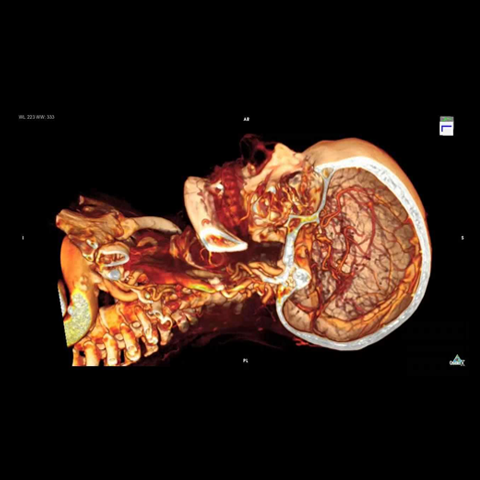
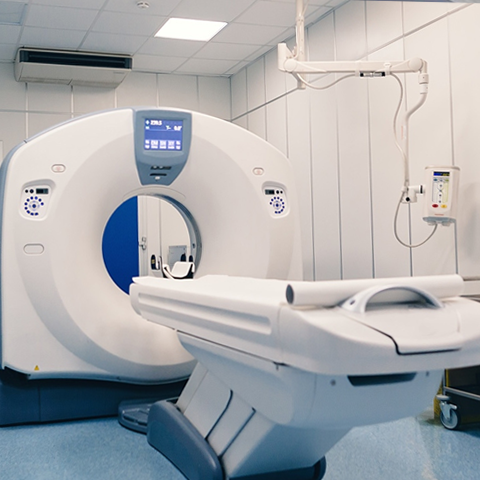
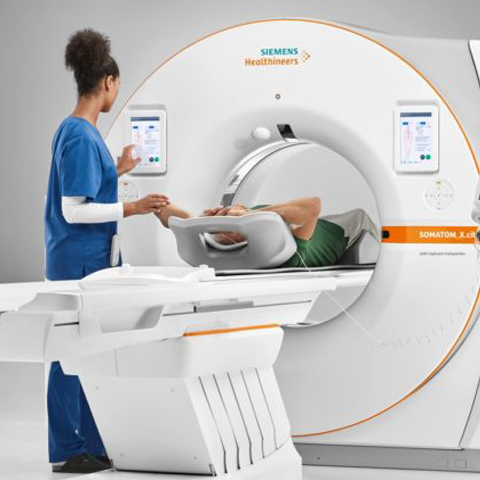
The introduction of cross-sectional imaging has redefined how equine practices approach complex lameness and neurological cases. By moving beyond the limitations of superimposition in traditional X-ray, veterinarians can now visualize internal structures in multiple planes. When evaluating the investment in new CT equipment, clinicians must weigh the operational benefits of standing vs. recumbent systems.
Superior Bone Visualization & 3D Reconstruction
While traditional CT often required general anesthesia, the advent of standing, dual-axis fan-beam CT has significantly mitigated clinical risk. This technology allows for the precise evaluation of dental and sinus pathologies, complex fracture morphology, and high-detail bone turnover in the head, neck, and cervicothoracic junction. Practices looking to buy a CT scanner or requesting a computed tomography machine price often find that the reduction in anesthesia-related liability provides a rapid return on investment.
Soft-Tissue Assessment & MRI Capabilities
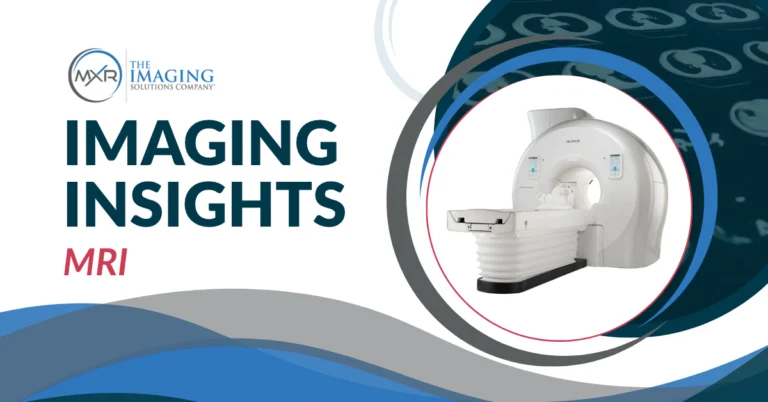
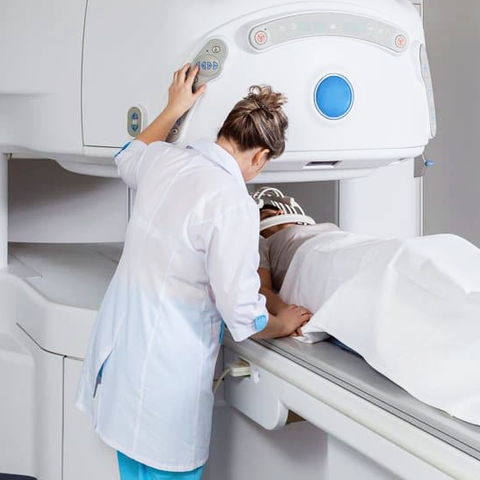
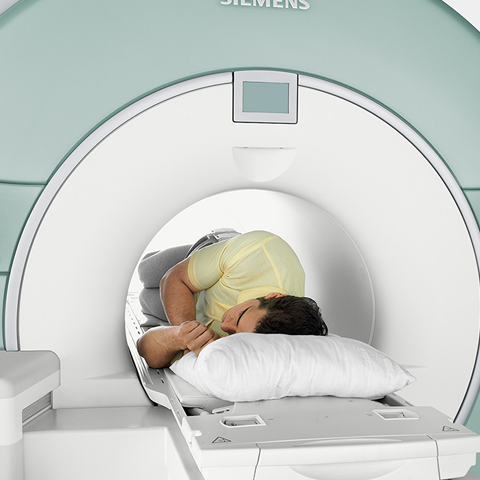
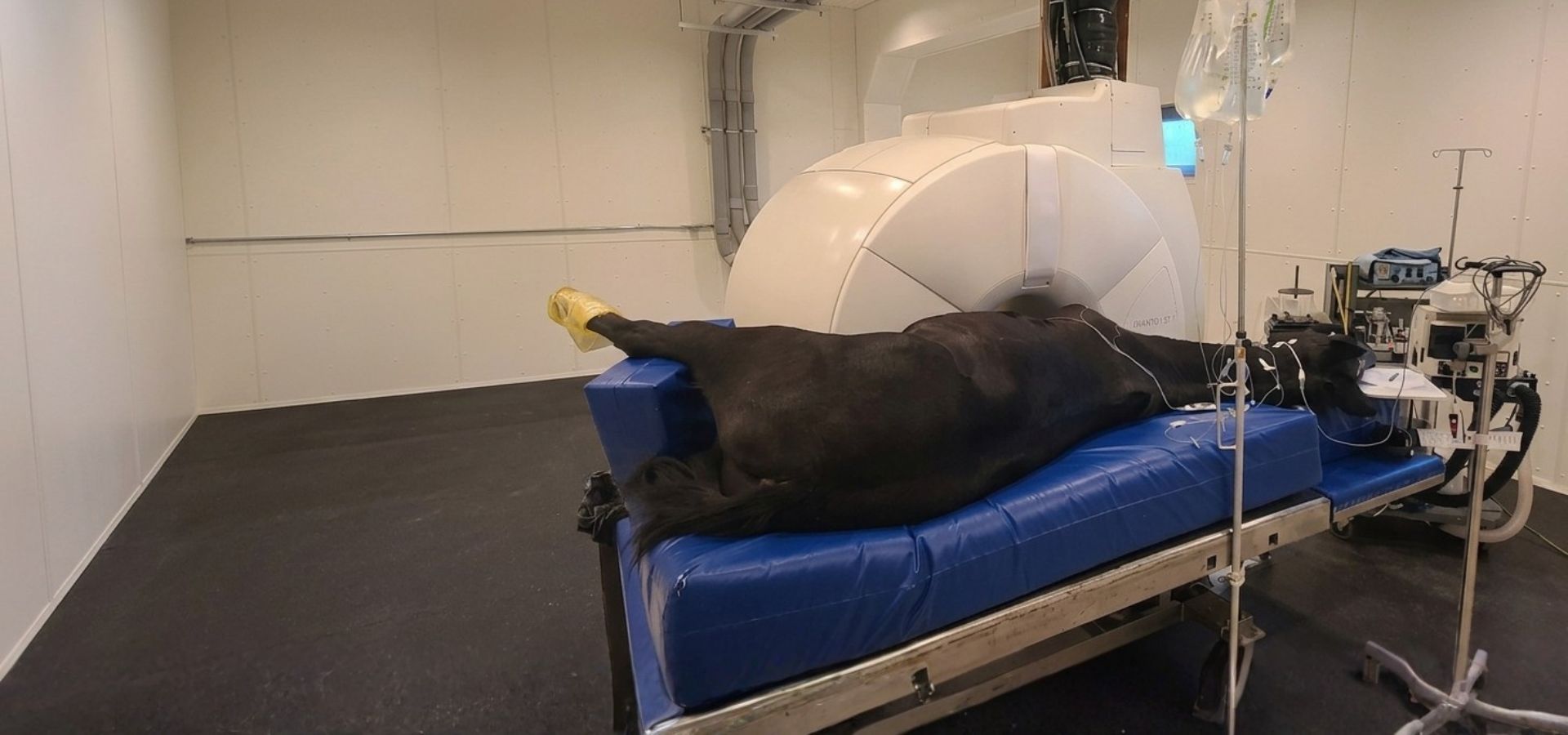
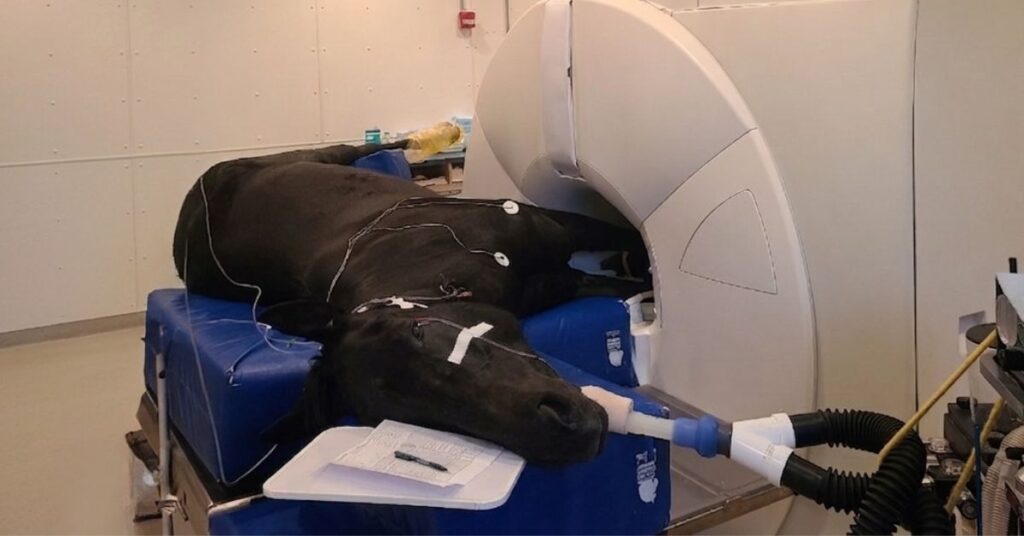
For localized lameness where bone changes are not yet evident, MRI remains the gold standard in equine diagnostic imaging. By utilizing radiofrequency pulses and magnetic fields, MRI provides unparalleled visualization of the hoof capsule, deep digital flexor tendons, and navicular structures. This high-fidelity imaging allows for targeted therapies and more accurate diagnoses, helping owners make informed decisions regarding long-term health and mobility.
Practices considering the move to in-house MRI must evaluate the throughput requirements and site logistics necessary to support high-field or low-field systems. When clinicians decide to buy an MRI, they are investing in a definitive tool for soft-tissue differentiation, ensuring that pathologies are identified early to improve clinical management and long-term outcomes for every patient.
Physiological Insights with PET & Nuclear Scintigraphy
Identifying "hot spots" before they manifest as structural damage is a game-changer for high-performance veterinary medicine. Nuclear scintigraphy remains an invaluable tool for evaluating skeletal anatomy and metabolic activity, particularly in the neck, back, and pelvis where other modalities may face depth limitations.
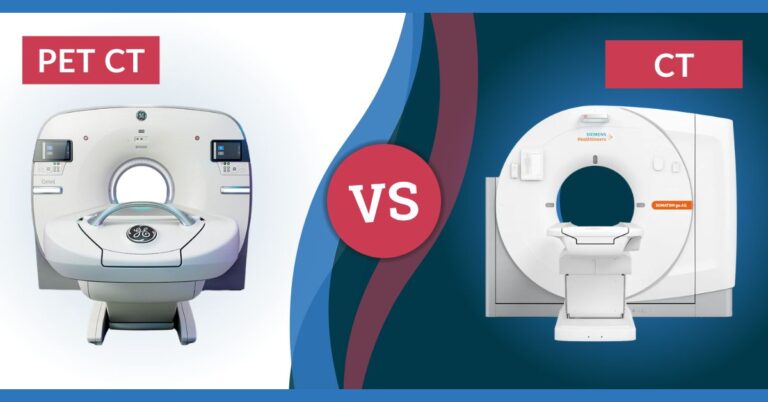
Furthermore, Positron Emission Tomography (PET) is setting a new benchmark for functional equine diagnostic imaging. Unlike structural imaging that shows the shape of an injury, PET identifies cellular-level inflammation. This allows clinicians to differentiate between active injuries and inactive scar tissue, ensuring horses return to work or daily activity only when clinically ready and reducing the likelihood of catastrophic breakdown.
Portability & Workflow Efficiency at the Stall
Modern equine practice requires high-output portability. Lightweight digital radiography units and C-arms allow clinicians to capture diagnostic-quality images without physical strain. For practices in the process of buying an ultrasound machine or comparing C-arm machine prices, prioritizing battery life and drop-testing durability is essential for ambulatory success. When integrated with cloud-based teleradiology, these systems allow for near-instant collaboration with board-certified specialists, keeping cases in-house and improving the practice's bottom line.
Transitioning from Analog to Digital Workflows
For practices currently utilizing film-based systems, the transition to digital radiography is an investment that often offsets itself through the elimination of recurring consumable costs. This shift is particularly impactful for ambulatory practitioners who rely on portable X-ray units in the field; unlike film, which requires a return to a darkroom for processing, digital systems provide immediate stall-side verification.
By eliminating "blind imaging," practitioners can confirm diagnostic quality before leaving the site, removing the logistical and financial burden of travel for retakes. Beyond the immediate removal of chemistry and film overhead, a digital workflow increases daily patient throughput and enhances the secondary market value of the practice. MXR facilitates this transition by providing scalable paths to upgrade, ensuring that even practitioners focused on long-term exit strategies can benefit from increased efficiency and superior diagnostic secondary-market equity.
Optimizing the Equine Imaging Lifecycle
Integrating these advanced modalities requires a partner who understands the complexities of veterinary service and support. Our Quality Management System is certified to ISO 13485:2016, ensuring that every piece of reconditioned or new equipment meets rigorous standards. From initial sales to long-term maintenance, MXR supports your practice so you can focus on what matters most: clinical excellence.