konica-dual-panel-otc-w-tracking
New and Pre-Owned X-Ray Equipment | Family Owned Since 1964

X-Ray Buyer’s Guide

This X-Ray Buyer’s Guide from MXR Imaging is designed to help healthcare providers organize the decision making process and better understand today’s digital radiography technology.

X-Ray Equipment Buying Process

Step 1: Collect Your Data

Before reviewing equipment options, start by identifying the operational and facility requirements that will influence your decision.

Understand Your Space Constraints: Evaluate the footprint available for the system, procedure workflow, storage needs, and any charging space required for mobile units.

Review Power Requirements: Digital x-ray systems can require significant power and cooling support. Understanding facility limitations early can help avoid installation issues later.

Build a Procedure Forecast: Estimate the volume and types of procedures your facility expects to perform. Include any procedures currently outsourced that may be brought in house with new equipment.

Calculate Return on Investment: The total cost of ownership includes more than the purchase price. Consider:

  Shielding and room preparation

  Service and support costs

  Potential downtime

  Procedure reimbursement rates

Building a detailed ROI can help guide the purchasing process.

Today’s digital x-ray technology offers improved image quality, workflow efficiency, and procedural flexibility compared to older film based systems.

DR Panels: Digital Radiography (DR) panels digitally capture images as radiation passes through the body. DR panels vary in:

•  Size

•  Resolution

•  Sensitivity

•  Durability

Higher sensitivity panels can reduce radiation dose while maintaining image quality.

Fixed vs Portable vs Mobile X-Ray

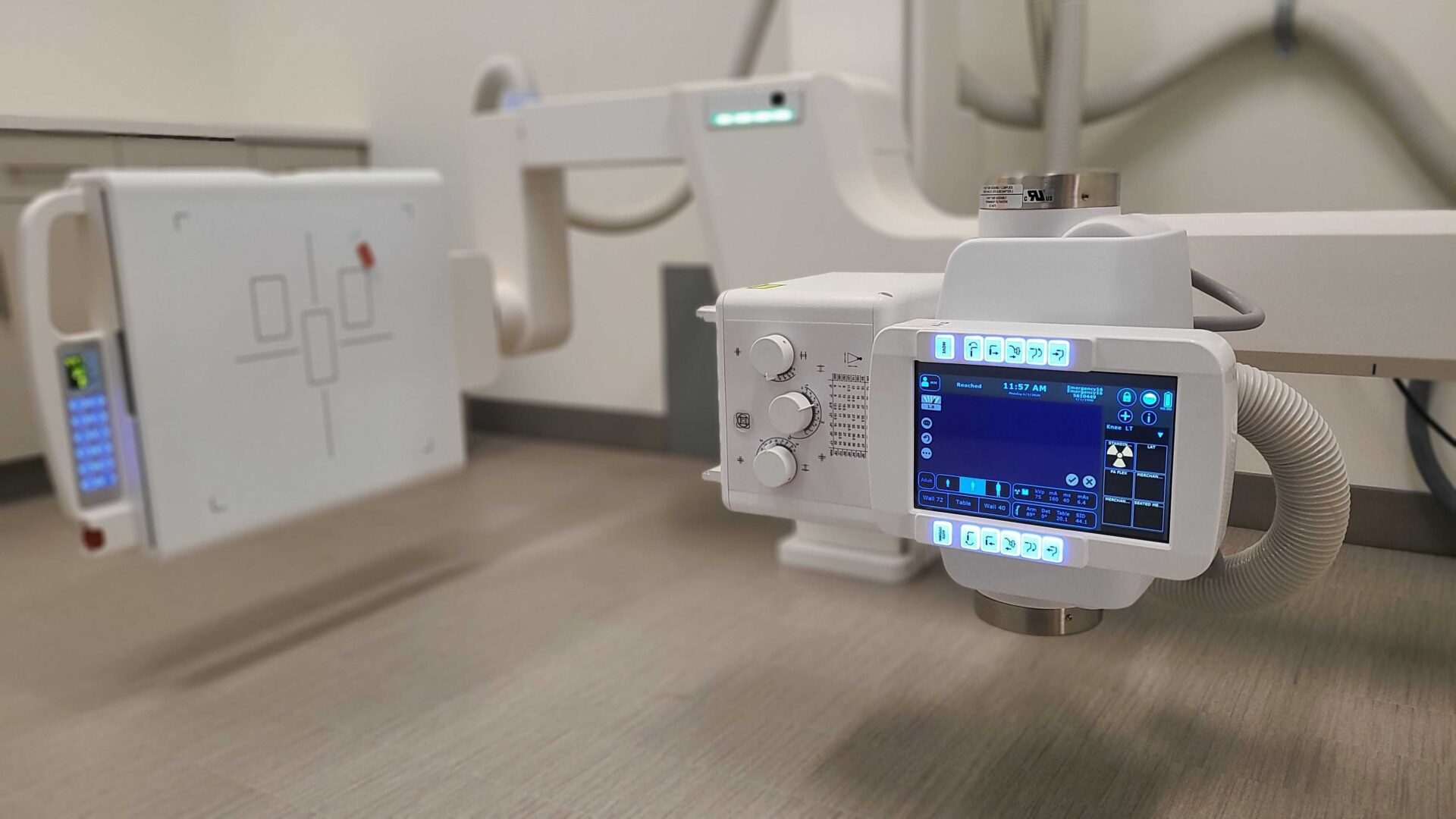
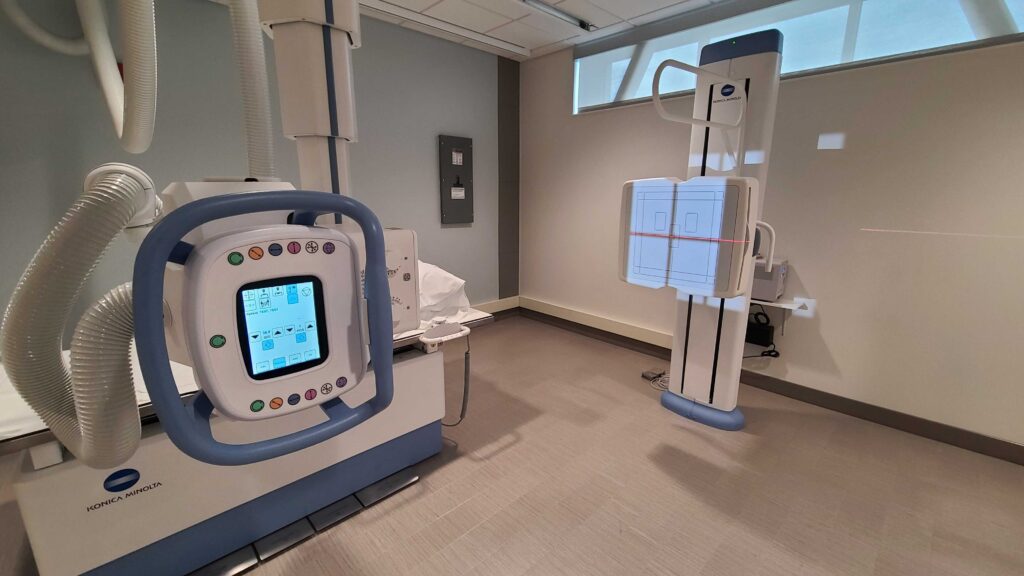
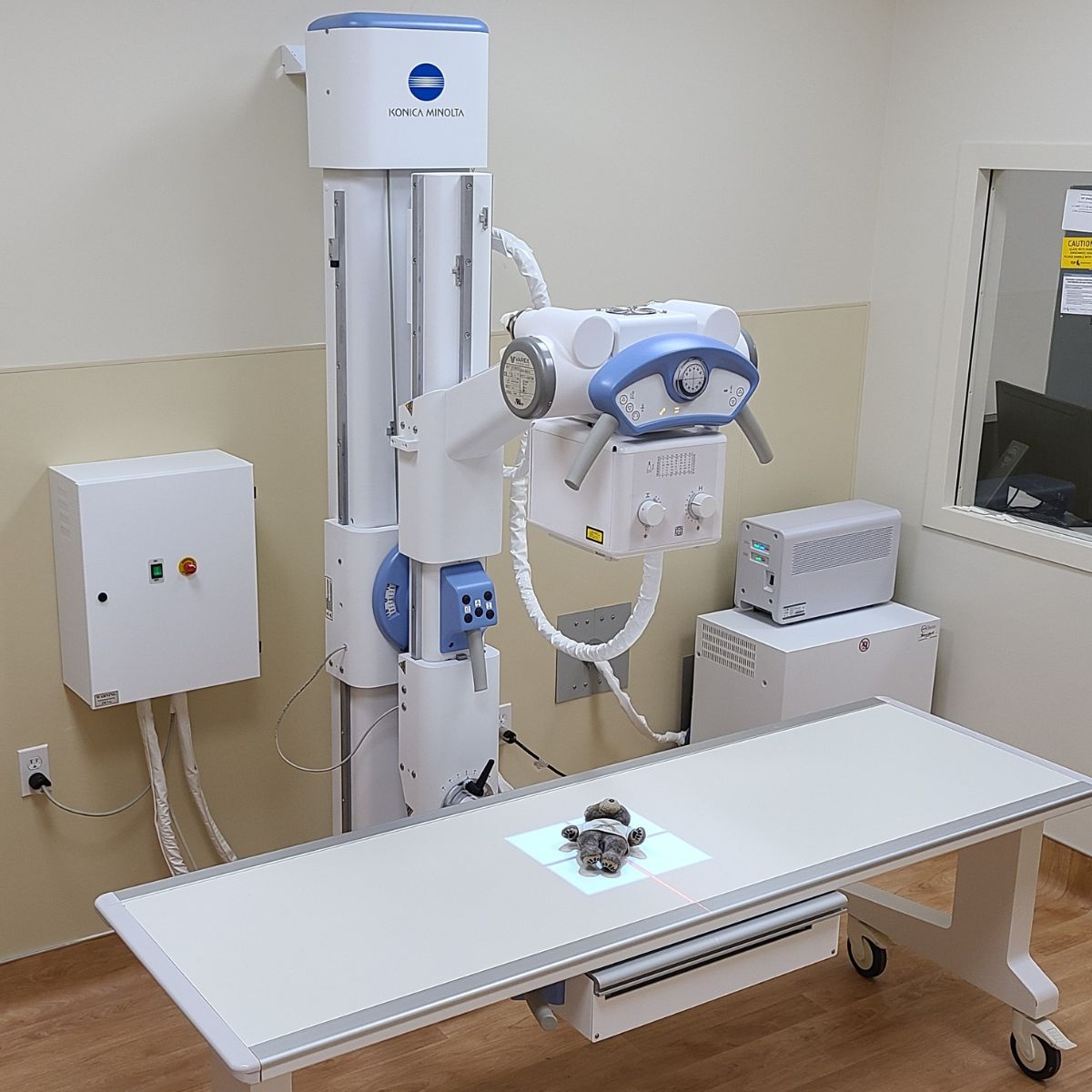
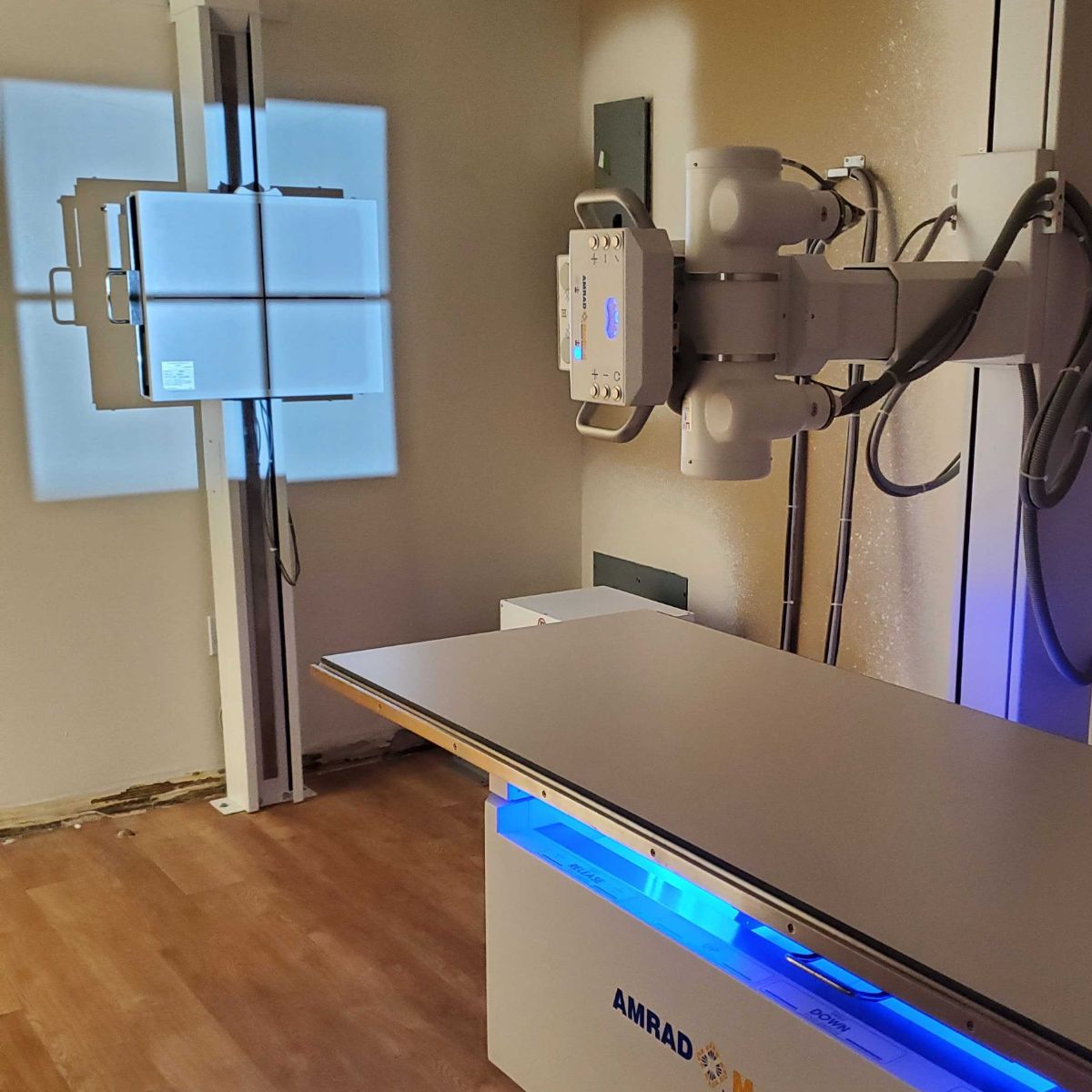
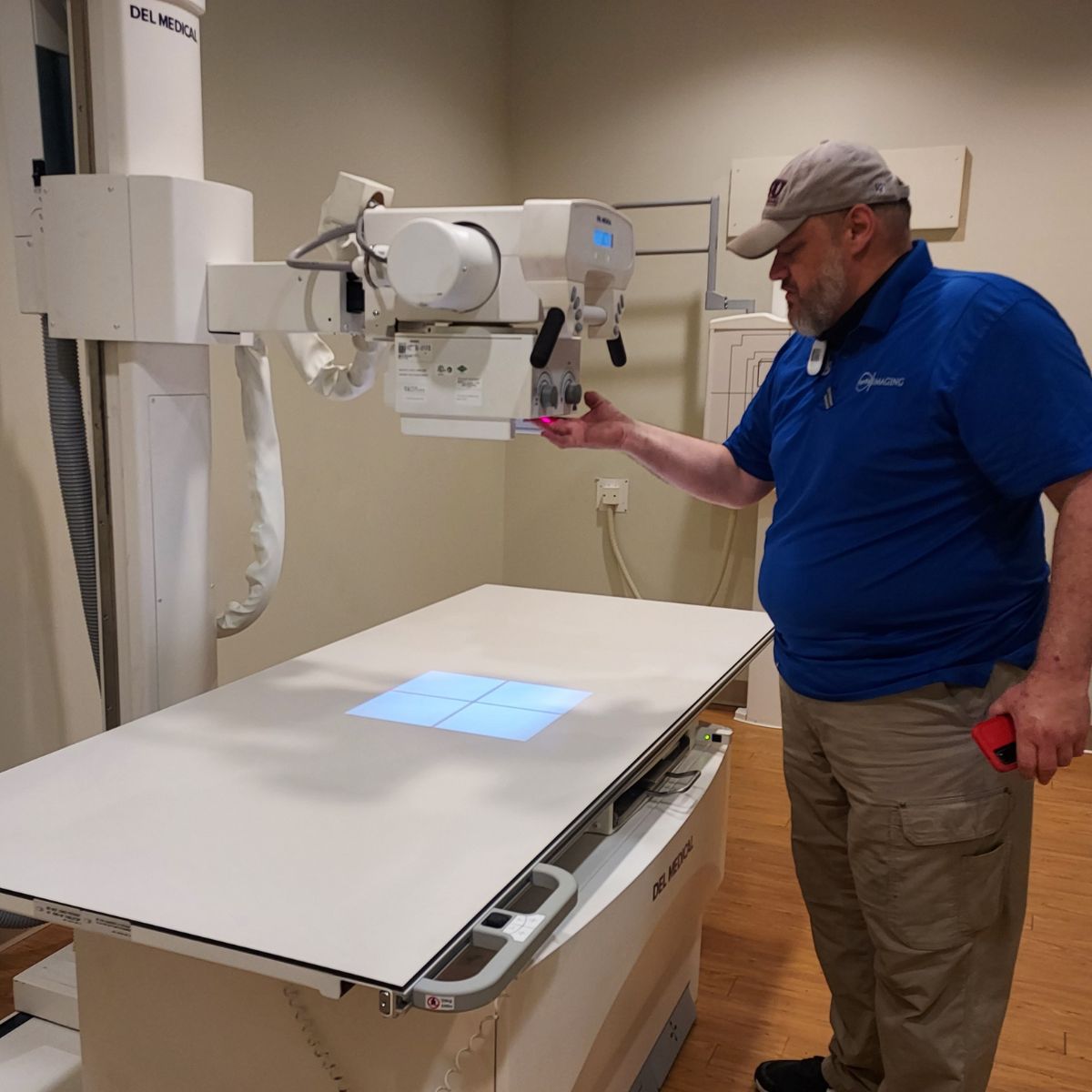
Fixed Systems: Fixed systems offer the greatest procedural flexibility and are available in floor, wall, and ceiling mounted configurations.

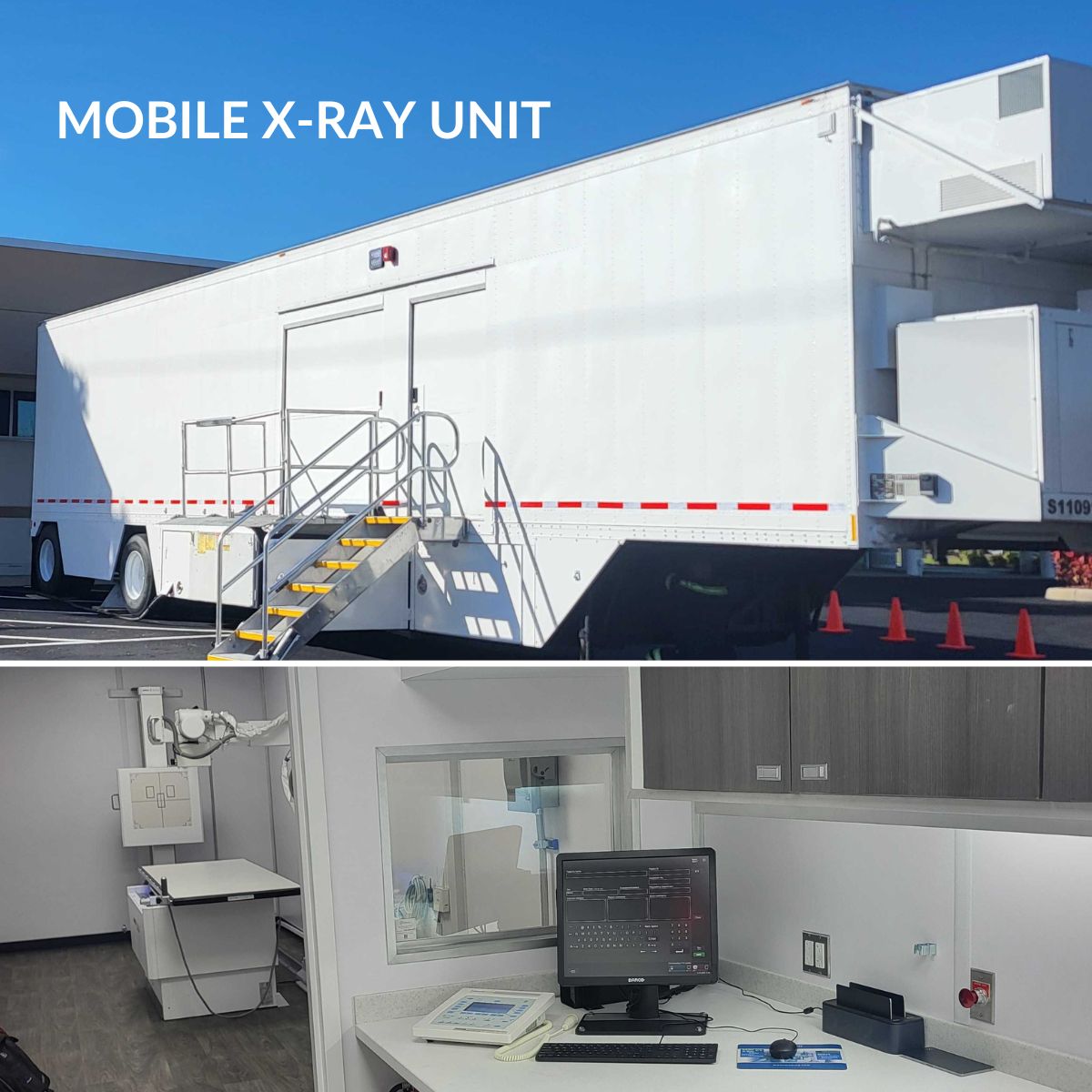
Portable Systems: Portable x-ray systems are compact enough for transport outside the facility.

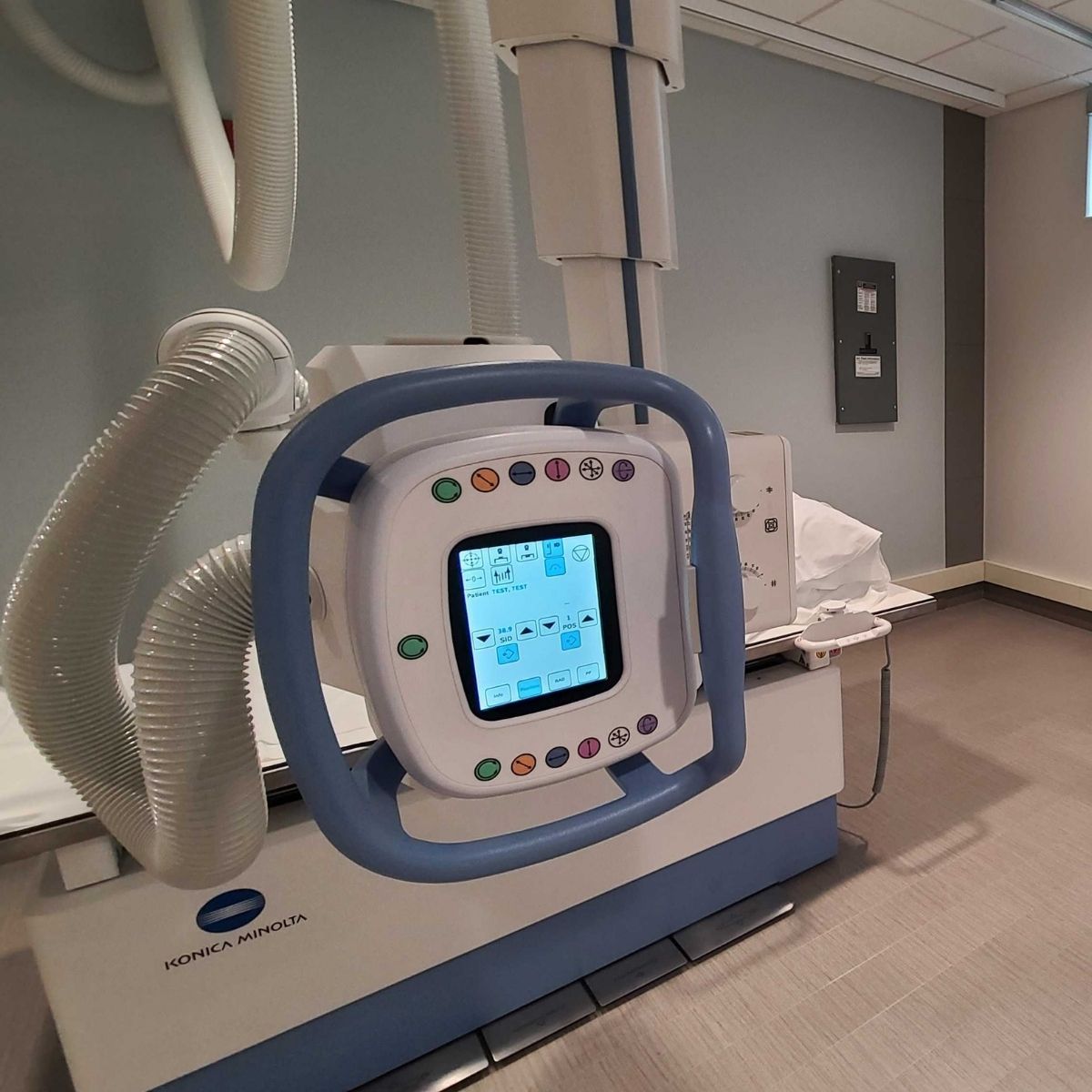
Mobile Systems: Mobile systems are designed to move room to room within a healthcare facility.

Traditional X-Ray vs Straight Arm vs U-Arm

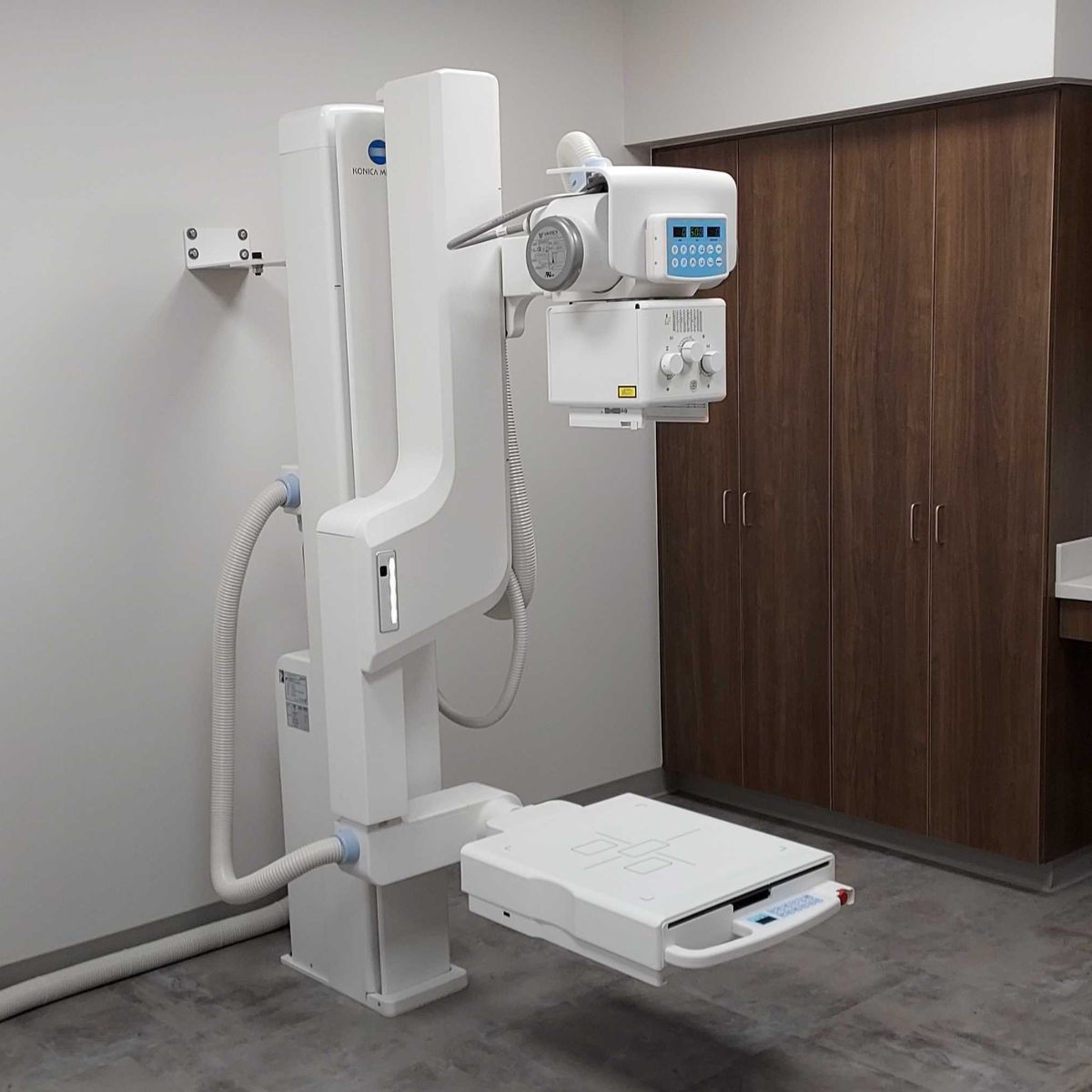
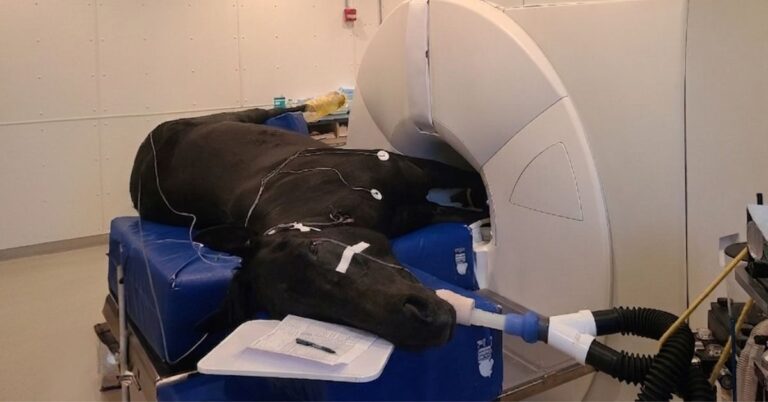
Straight arm systems are commonly used in chiropractic, veterinary, and general radiography applications, while U-Arm systems provide additional procedural flexibility.

Some facilities may benefit from advanced imaging features depending on their clinical applications.

DDR (Dynamic Digital Radiography): DDR captures a rapid series of low dose x-ray images to create motion based imaging, helping visualize movement that may not appear in a static image.

Fluoroscopy: Fluoroscopy provides real time imaging during minimally invasive procedures and interventional applications.

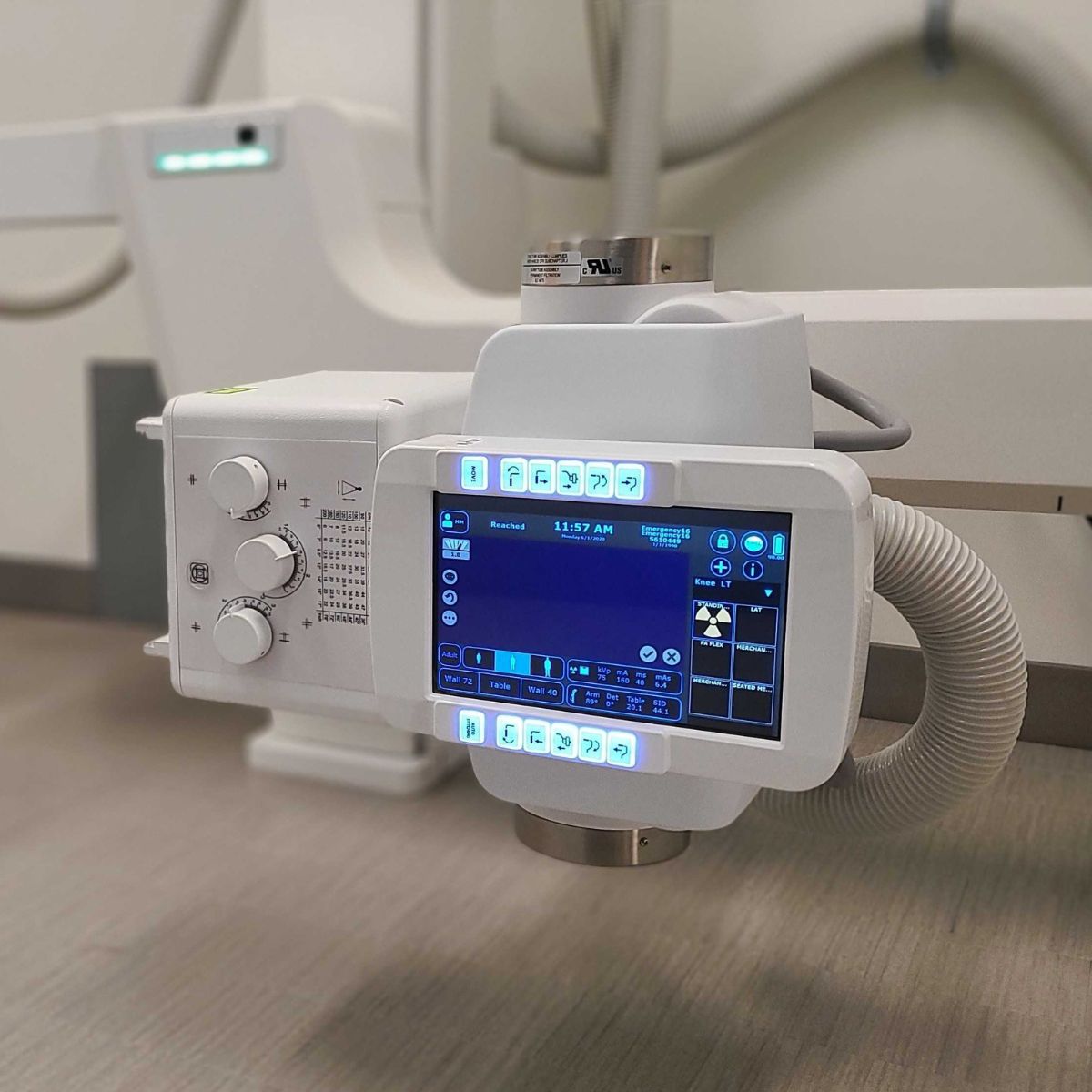
Workflow and Software: Features such as fast scan times, quick previews, automation tools, and easy maneuverability can help improve workflow efficiency and patient throughput.

Selecting and configuring an x-ray system often requires support from experienced imaging professionals.

New vs Refurbished Equipment: In some situations, refurbished systems may provide a strong return on investment while still delivering reliable performance.

Installation and Logistics: Preparing the room, deinstalling old equipment, staging, installation, and training all play a role in a successful imaging project.

Service and Support: Downtime can significantly impact operations. It is important to evaluate service response, parts availability, and long term support coverage when selecting an imaging partner.

x-ray-buyers-guide-thumbnail

Ready to Evaluate Your Next X-Ray System?

For decades, MXR Imaging has helped healthcare organizations simplify the imaging lifecycle with equipment, service, support, parts, and project management solutions. Whether you are evaluating a new digital radiography room, upgrading an aging system, or expanding imaging capabilities, MXR Imaging can help you identify the right solution for your clinical and operational goals.