This article is specific to X-ray. An X-ray equipment relocation involves more than just physical logistics. For a busy practice, the primary challenge isn't moving the hardware; it's managing the clinical downtime. Every day an X-ray room sits idle is a day of lost revenue and disrupted patient care. A poorly executed move can lead to weeks of rescheduling and technical recalibration issues that stall your grand opening.
Relocations MXR Covers:
- X-ray
- CT
- MRI
- Ultrasound systems
MXR Imaging recently partnered with healthcare providers, including a specialized orthopedics practice and a busy urgent care facility in San Leandro, CA, to facilitate seamless transitions of their X-ray capabilities. By moving beyond a simple "deinstall and reinstall" mindset, we focused on a lifecycle approach that prioritized technical integrity and operational speed.
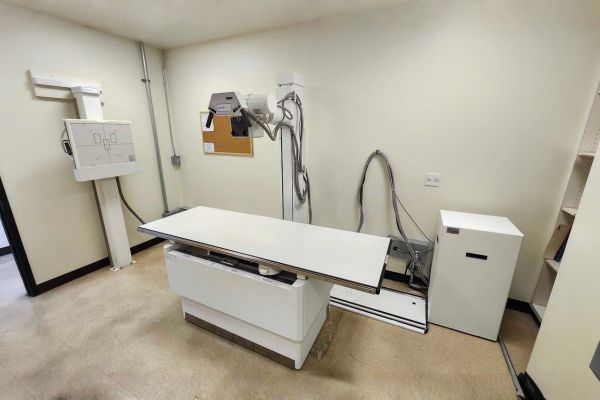
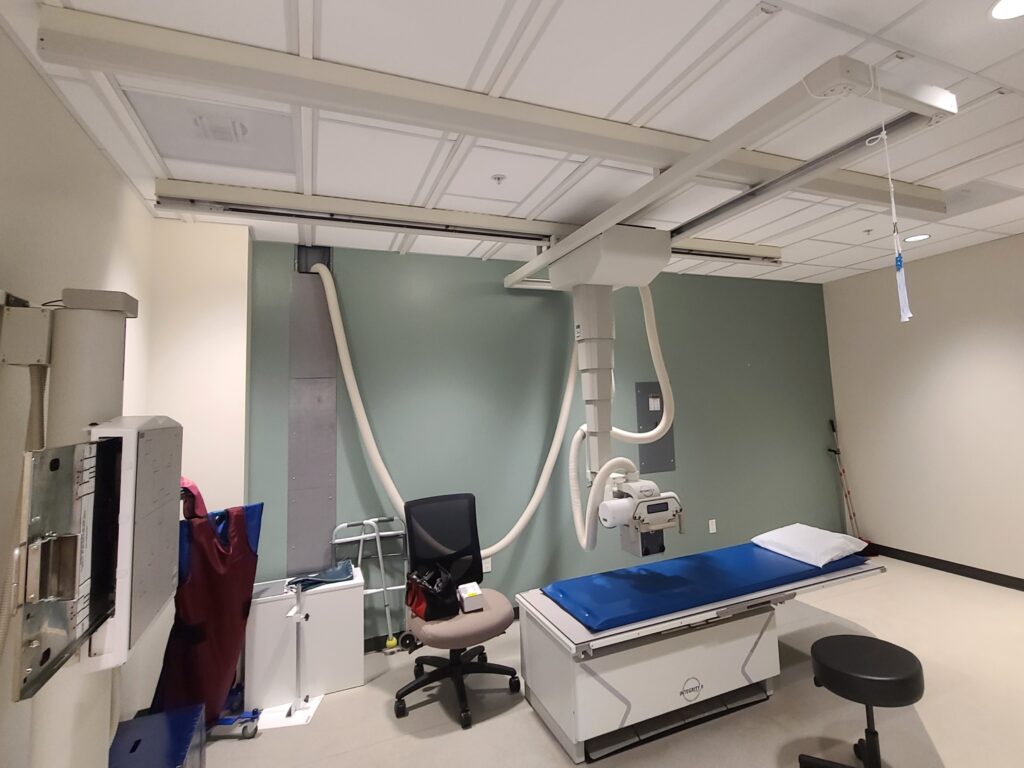
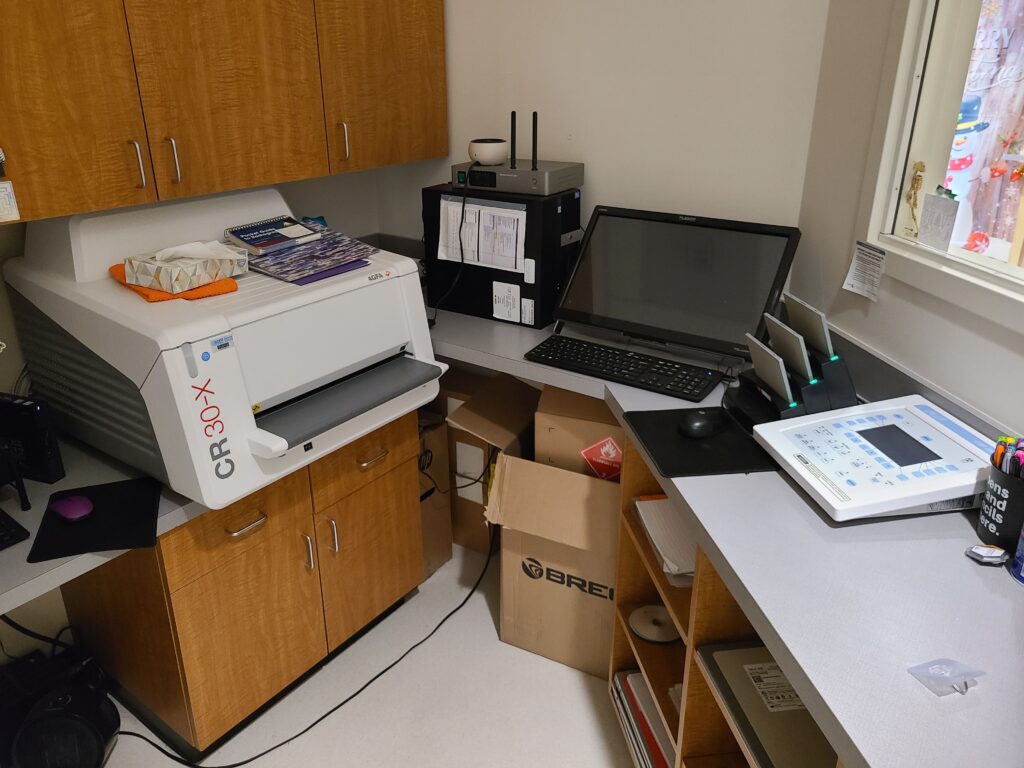
X-Ray Equipment Relocation & Site Planning
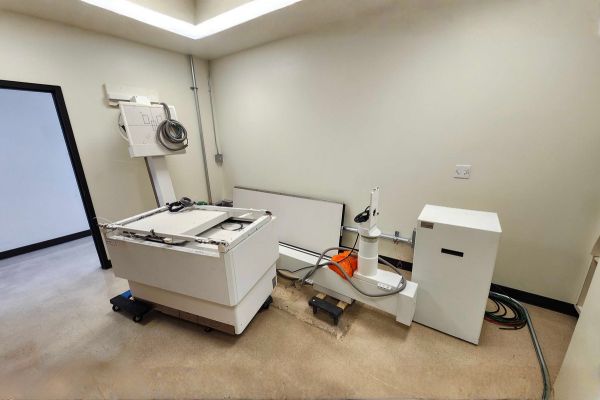
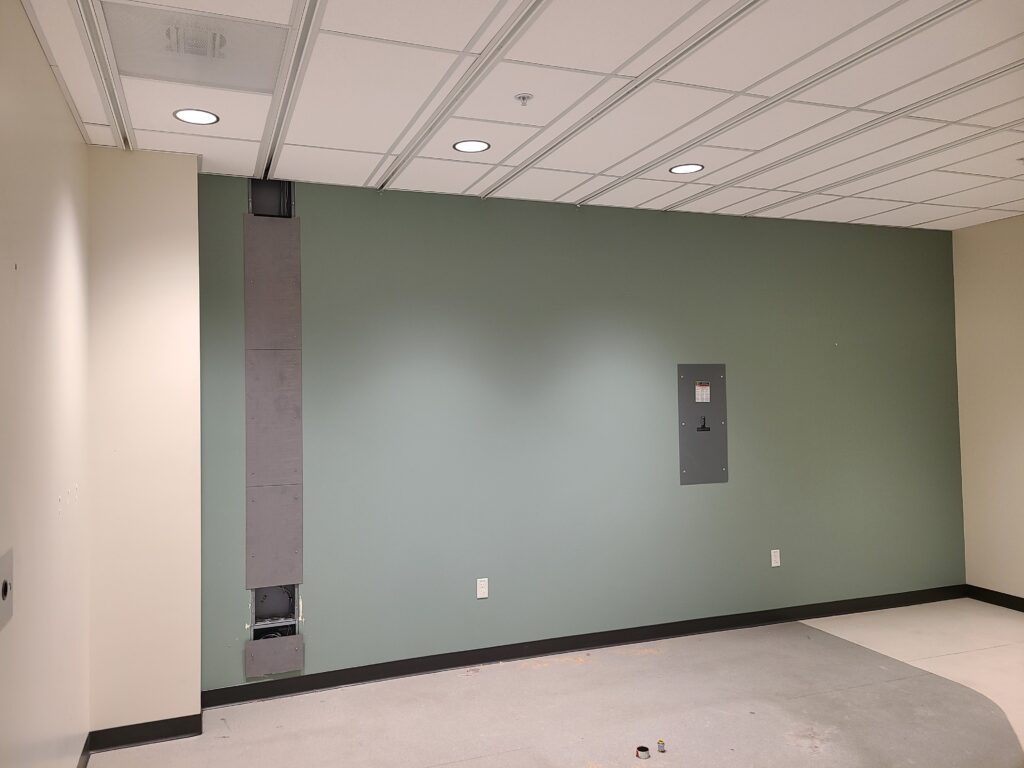
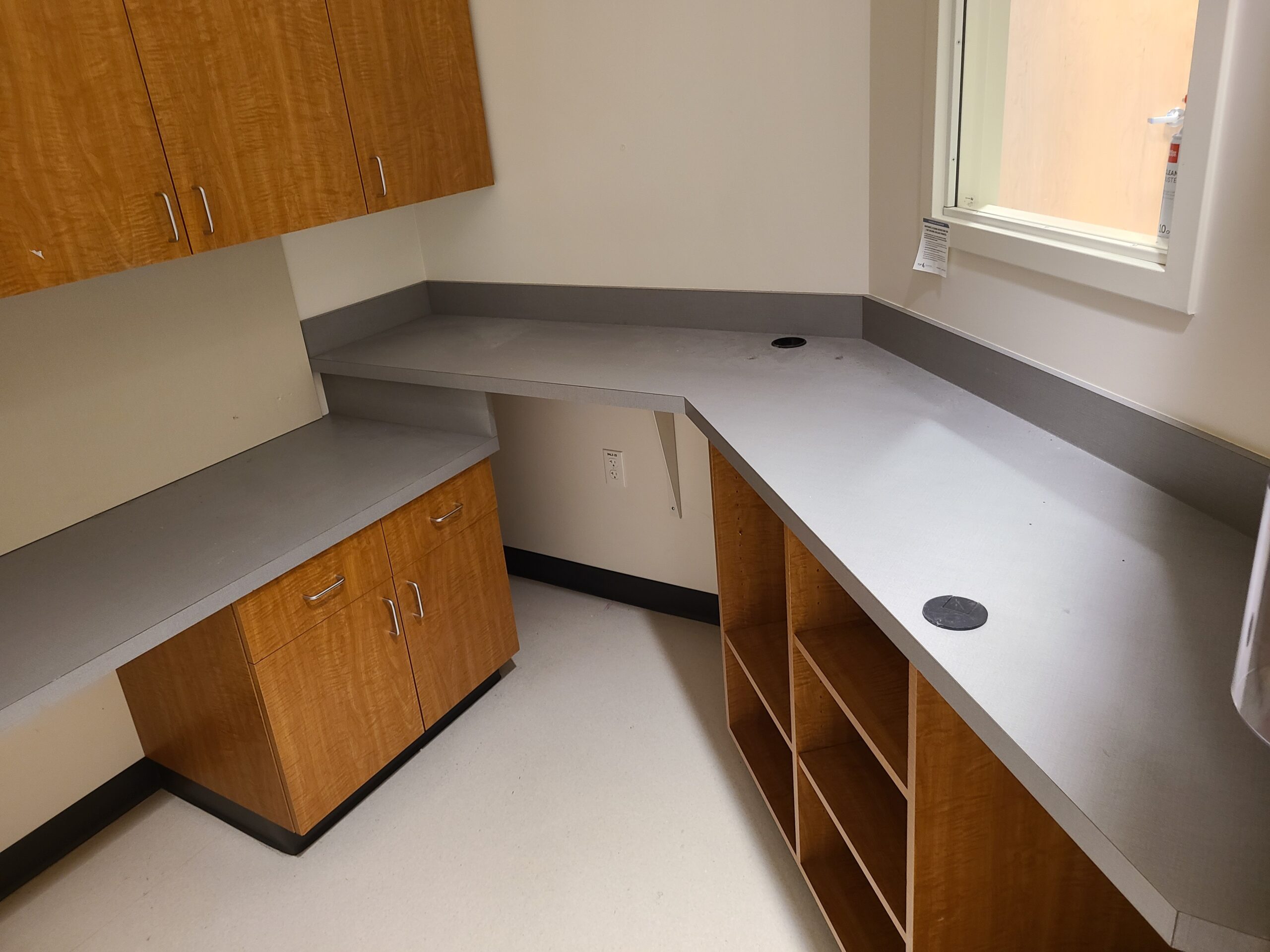
Success in relocation is decided weeks before the equipment is powered down. Our engineers work closely with facility managers to evaluate the new site’s infrastructure. This includes verifying that power specifications, floor loading capacity, and room dimensions align with the specific requirements of the X-ray system. By identifying potential environmental or electrical hurdles early, we prevent the costly delays that often occur during the reinstallation phase.
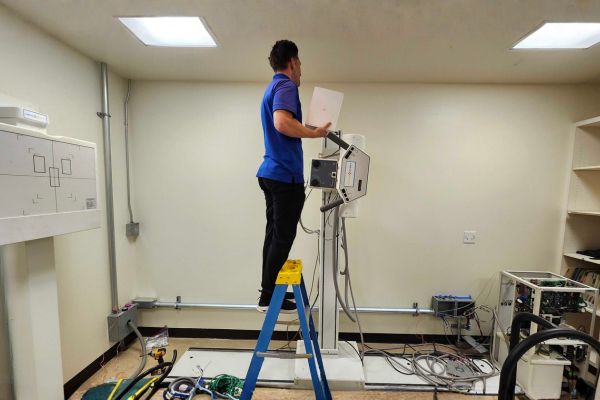
Technical Deinstall & Climate Controlled Storage
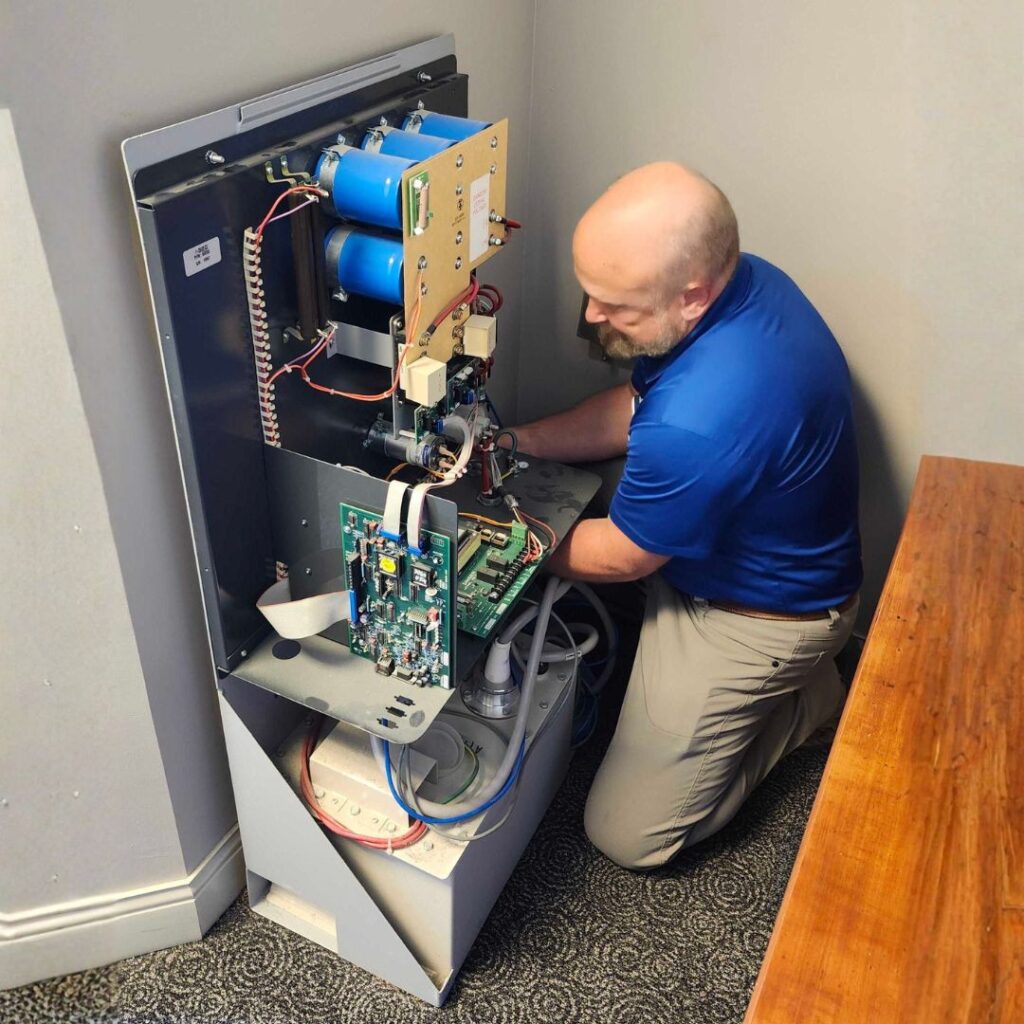
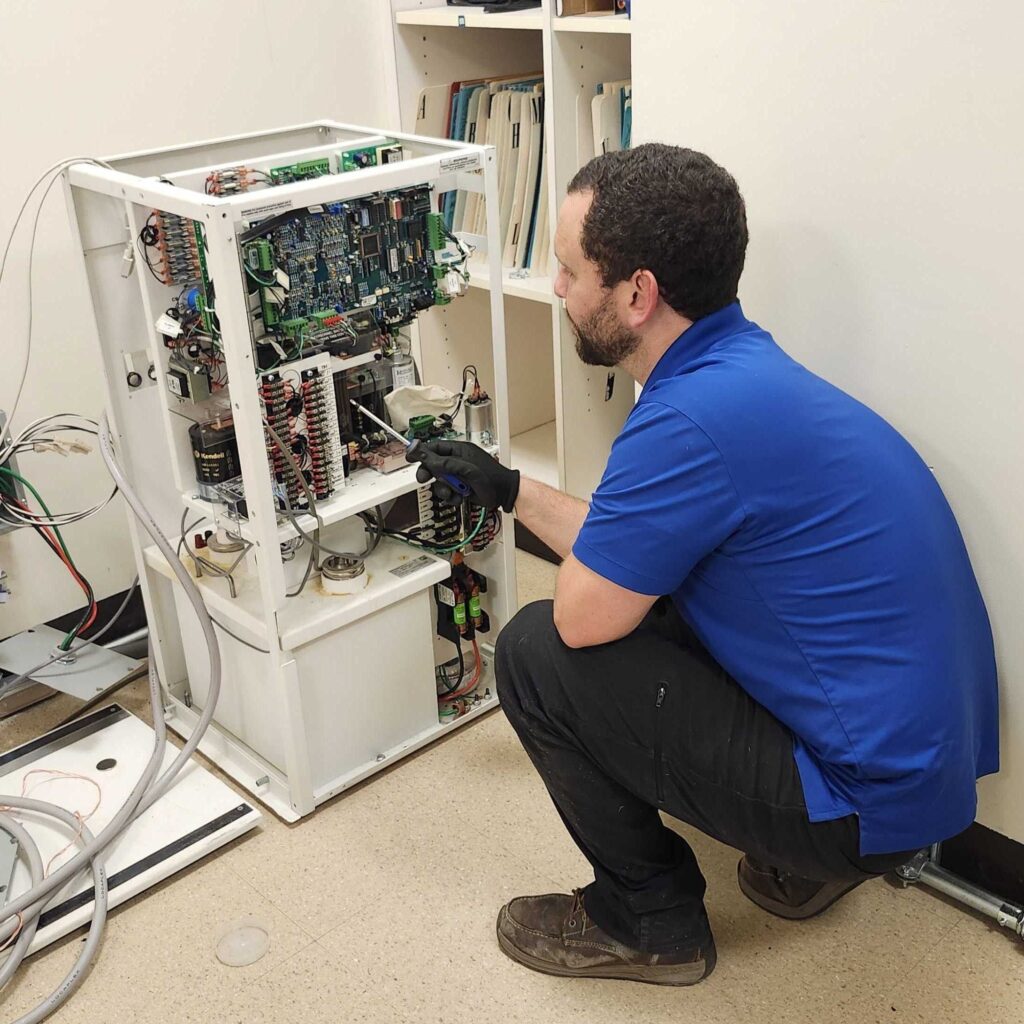
Moving sensitive X-ray modalities requires a specialized engineering skill set that standard logistics companies cannot provide. This is a technical process because it involves more than physical transport; our Field Service Engineers must systematically power down the high-voltage generators, disconnect sensitive digital interfaces, and secure mechanical components like the X-ray tube and overhead rails to prevent misalignment during transit.
During the orthopedic relocation project, the technical deinstallation required specialized rigging and protective crating to stabilize the X-ray core. This ensures that the mechanical integrity and calibration of the system remain intact. Every internal component is documented and stabilized, preventing the vibrations of transport from causing electronic board failures or hardware damage.
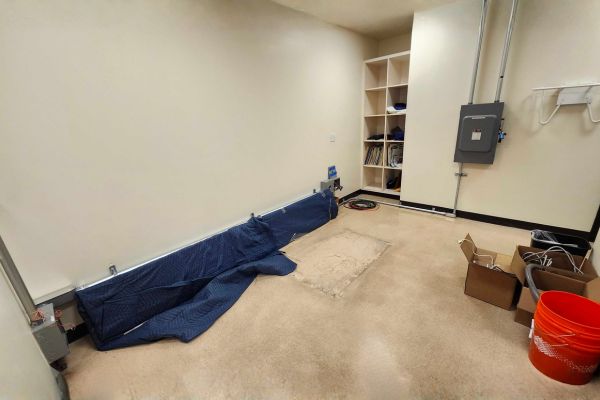
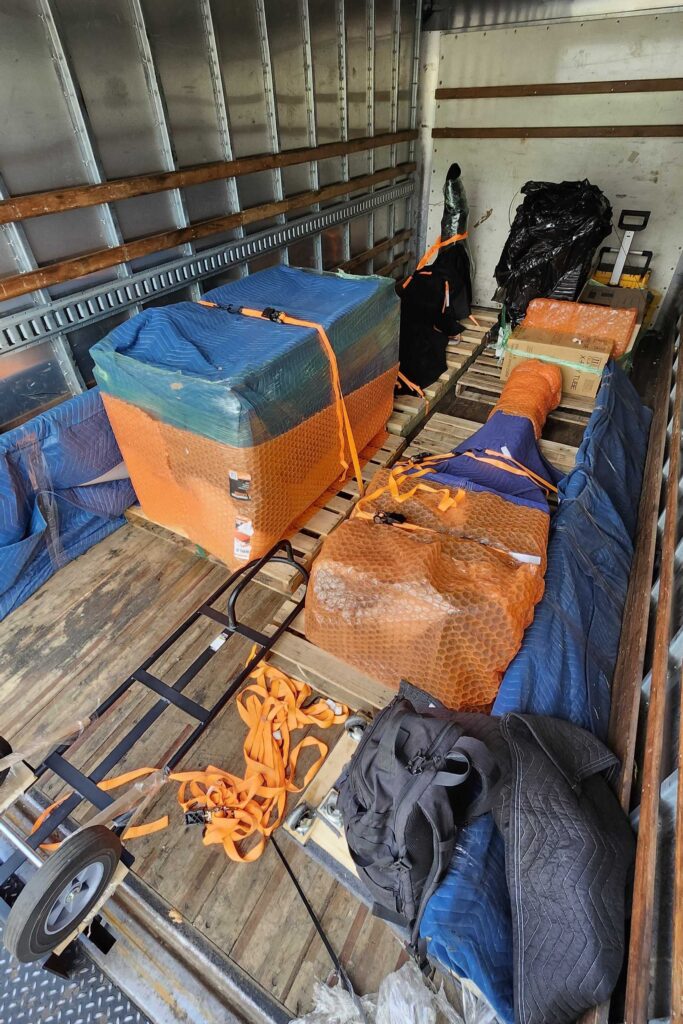
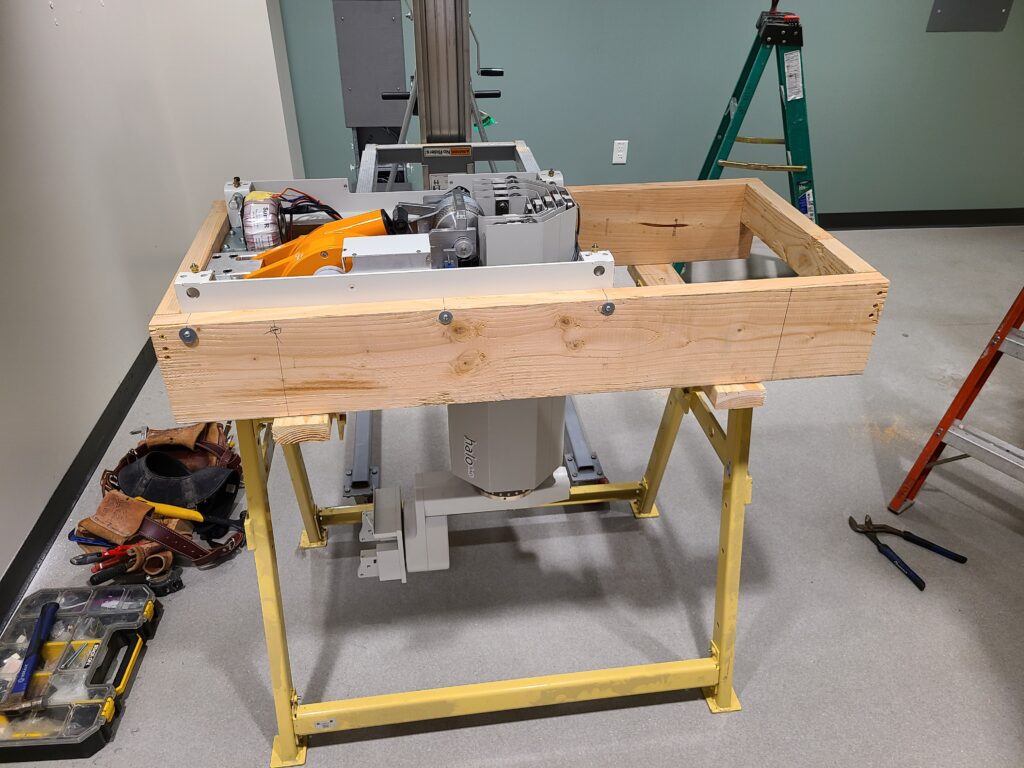
In cases where the new facility is still under construction, we provide secure, climate-controlled storage to protect equipment from dust and humidity that can compromise imaging sensors. Once the site is ready, the room is prepped for the reinstallation phase.
X-Ray Reinstallation & Performance Verification
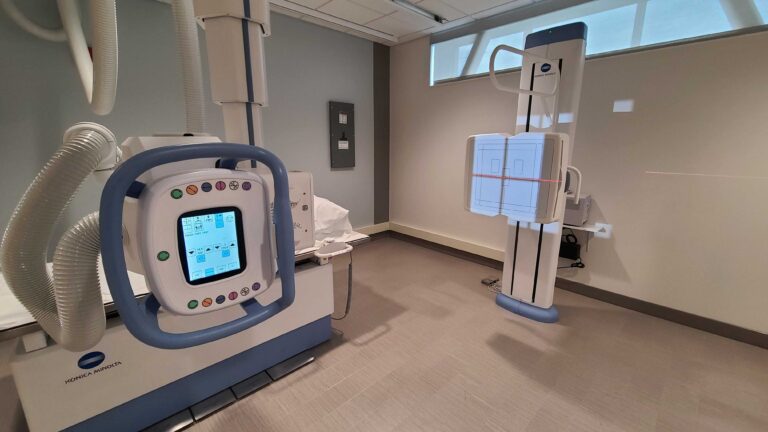
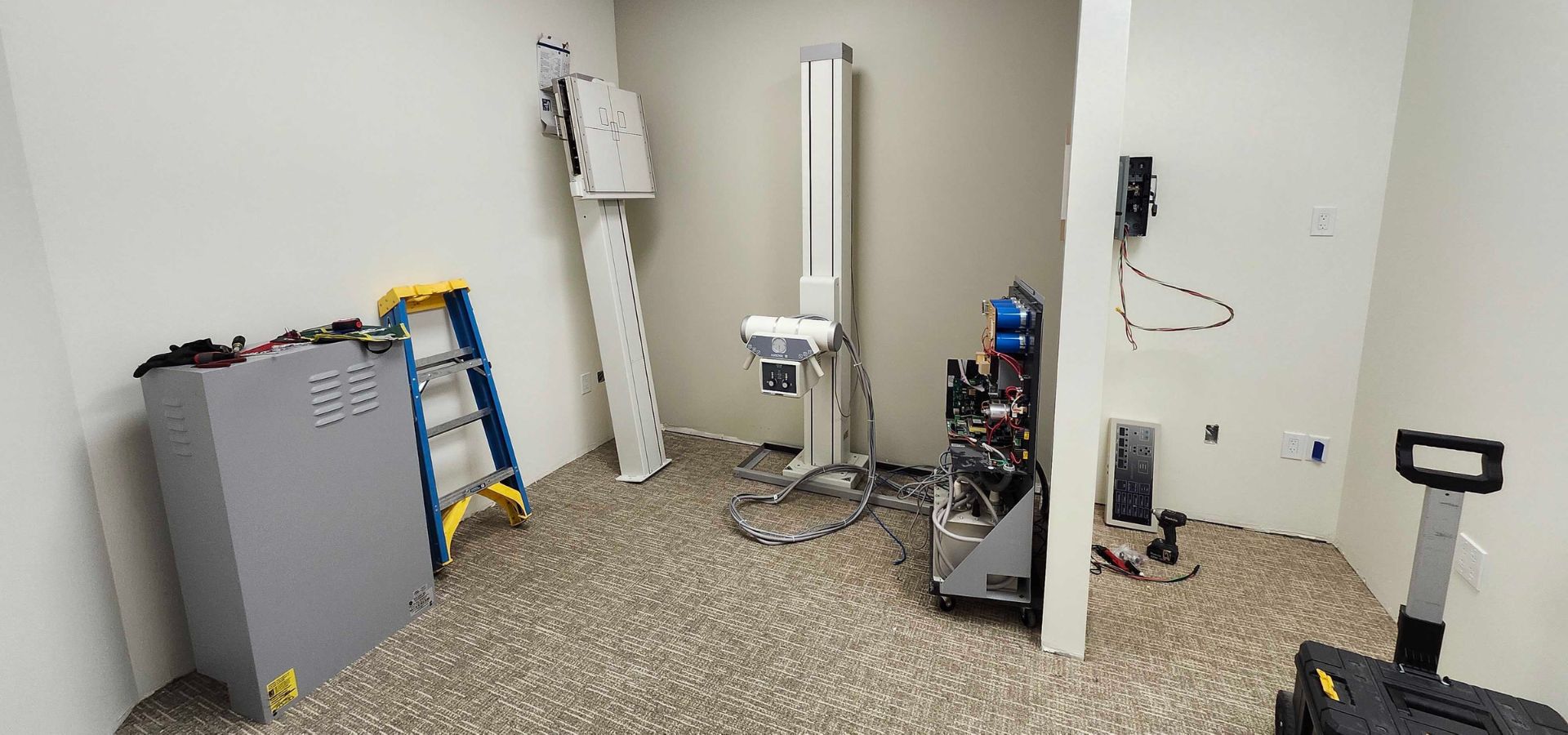
The final phase of any relocation is the reinstallation and performance verification. At the new Gresham facility, our team focused on mechanical reassembly and rigorous testing to ensure the system met all original equipment specifications. We don't just "drop and go." We integrate the system back into your clinical workflow, ensuring that your staff can return to patient care with confidence in the technology’s accuracy.
Internal Relocation: Precision Transfers Within the Same Facility
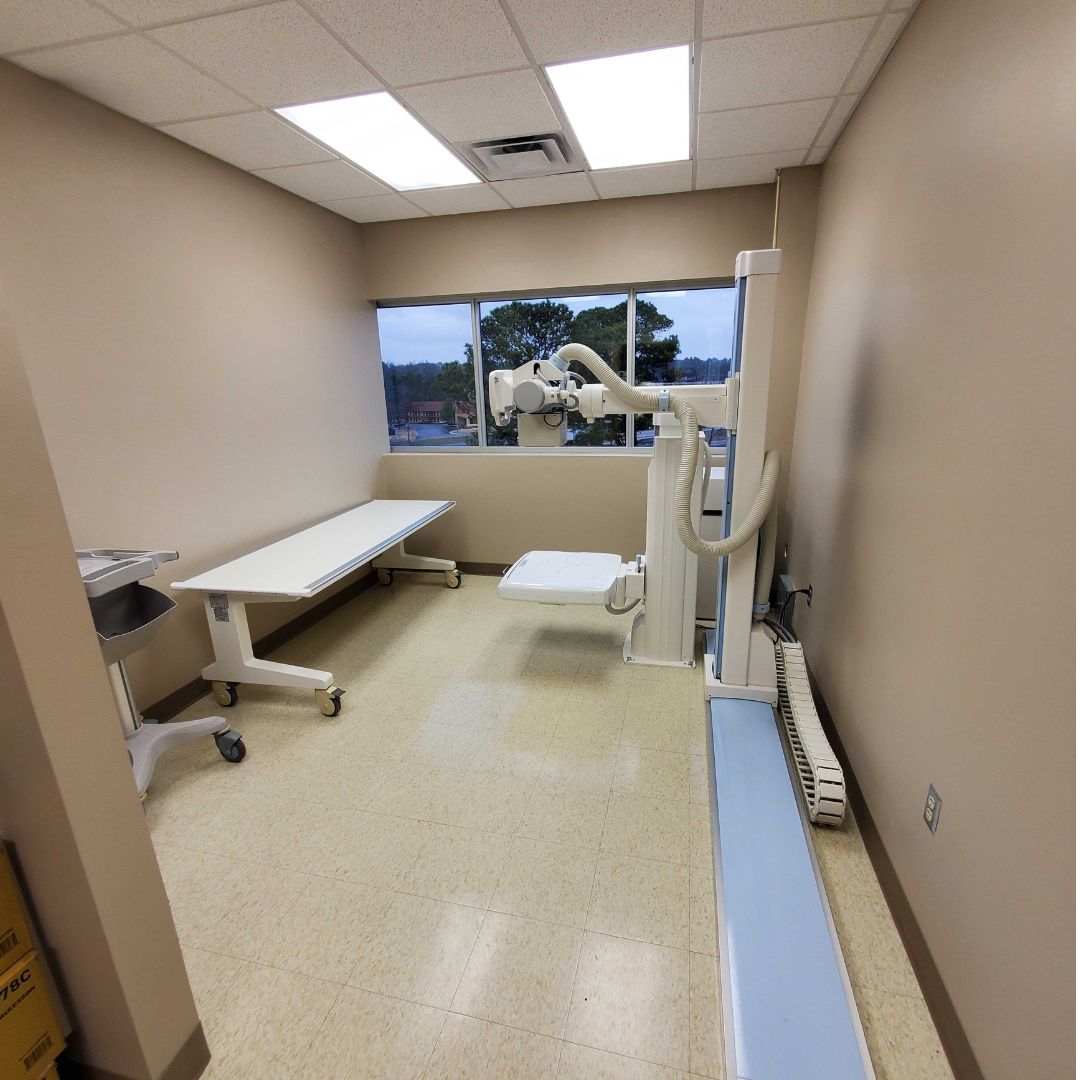
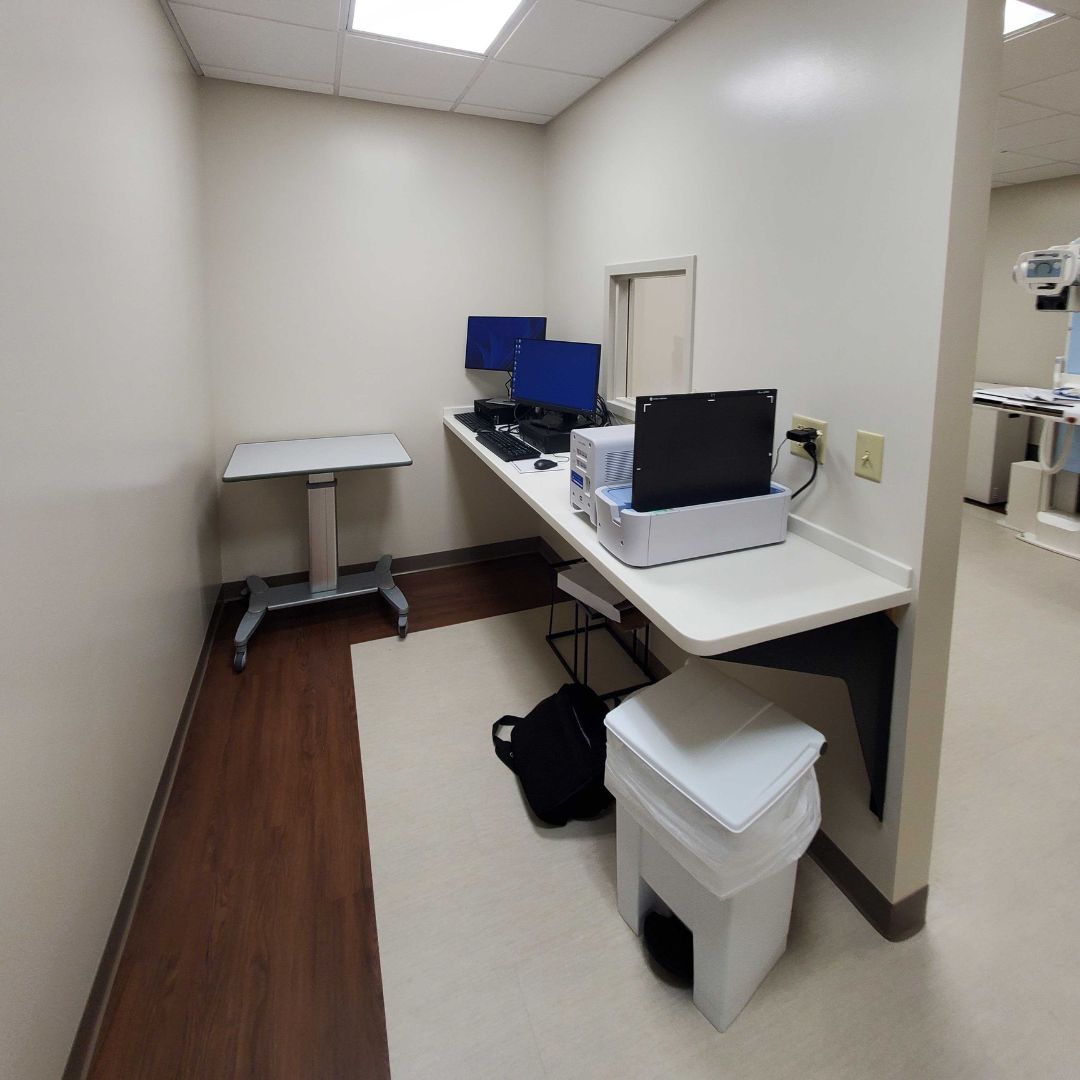
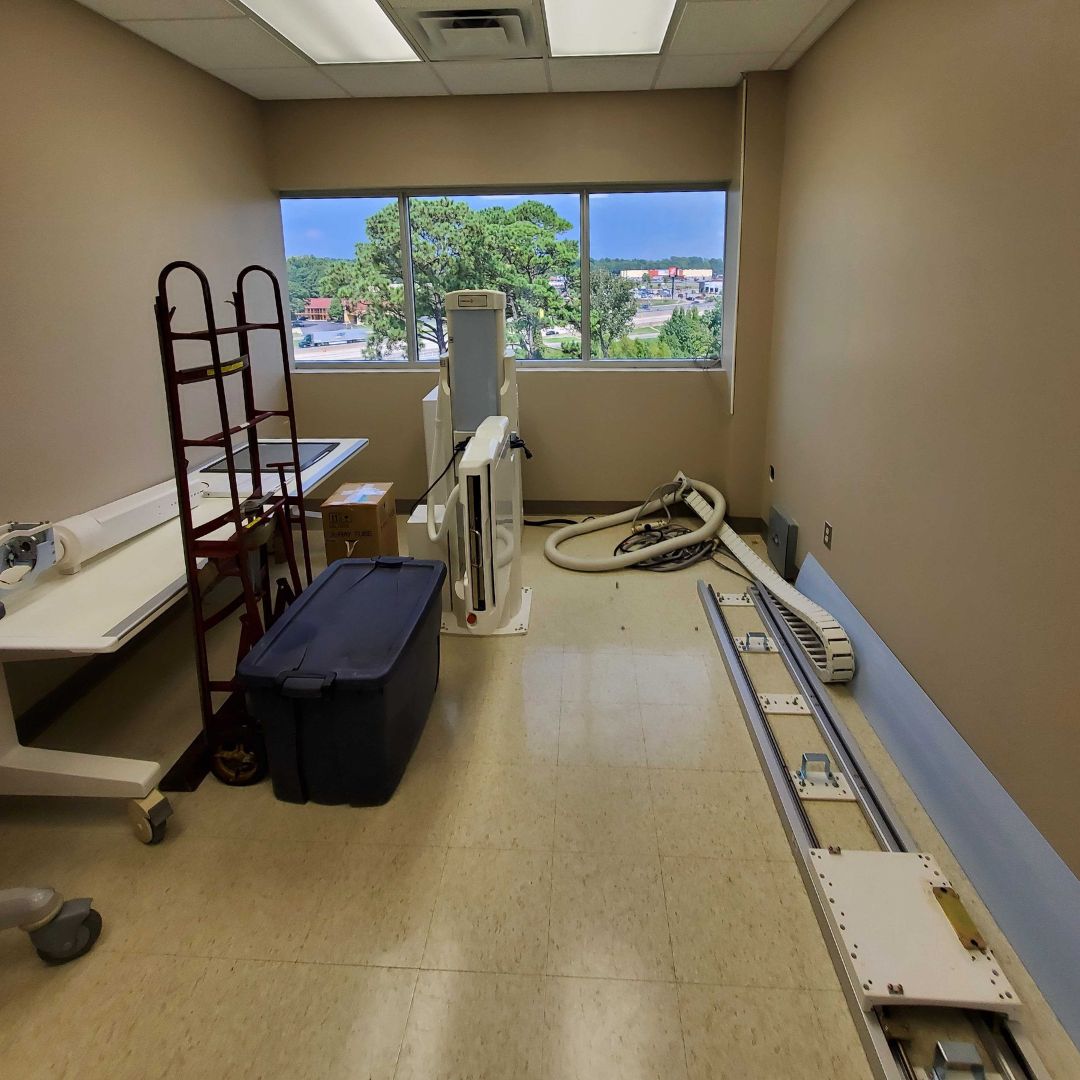
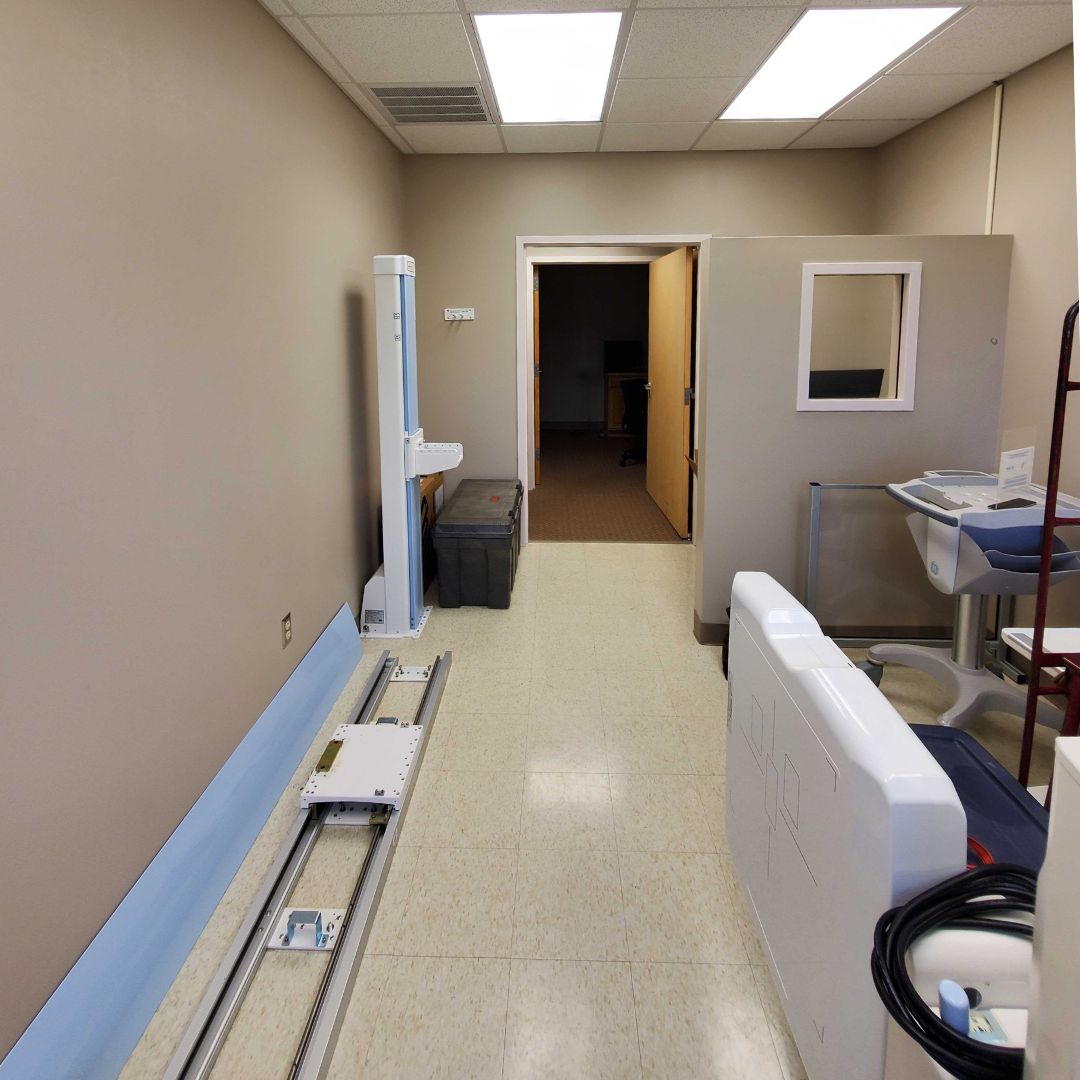
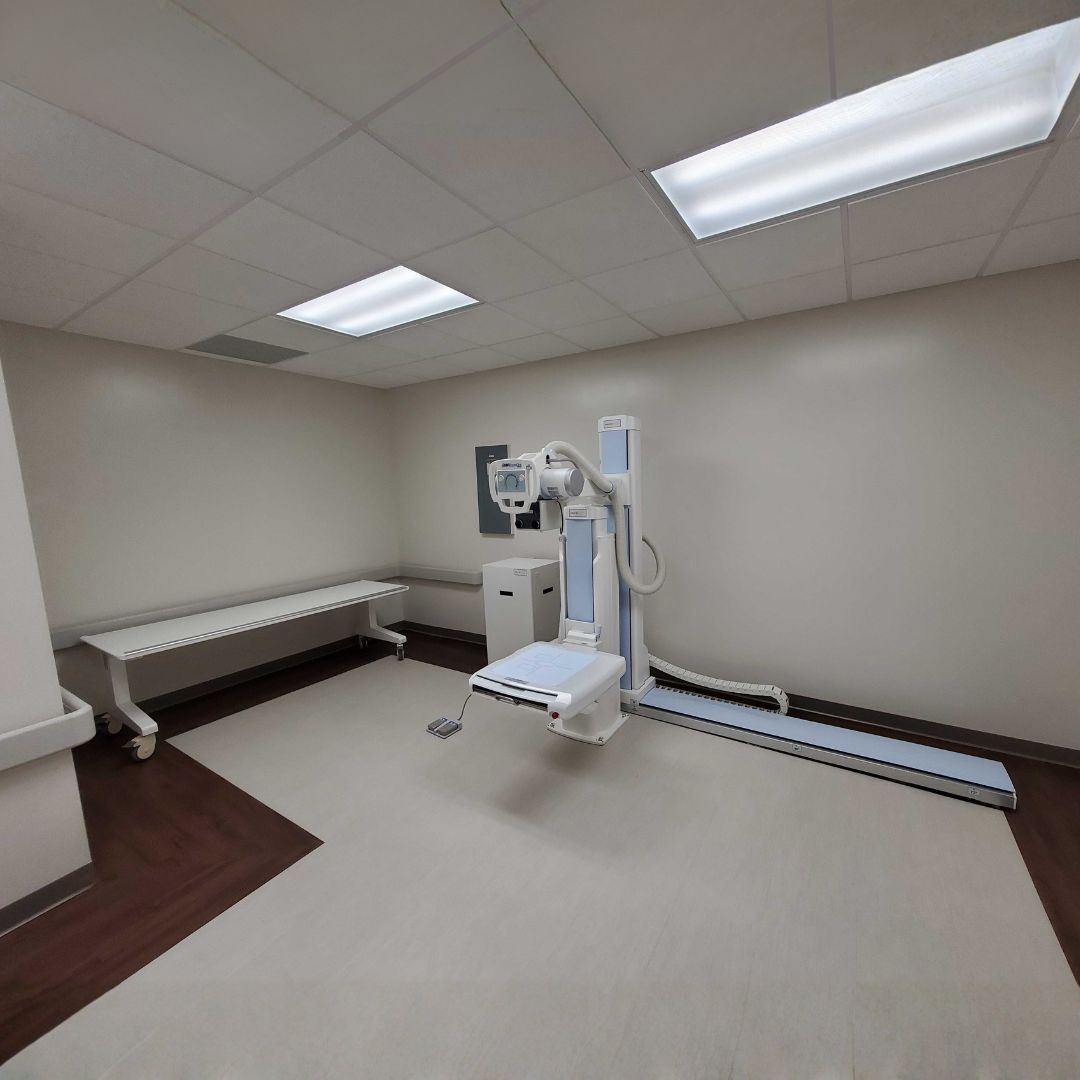
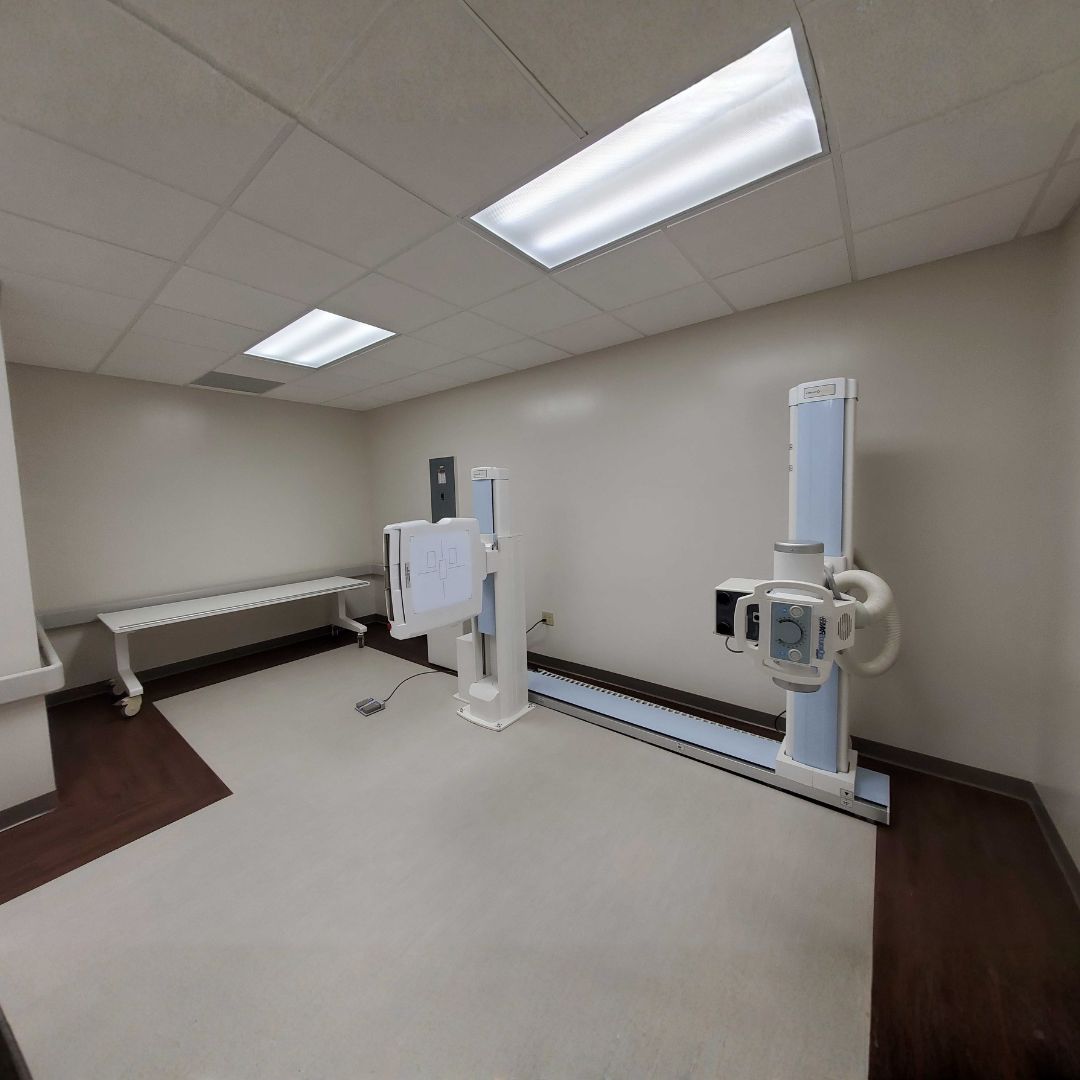
Relocation doesn't always involve a cross-town transport. In many cases, a facility may need to move existing equipment to a larger room to accommodate increased patient volume or updated floor plans. At an orthopedic facility in Bryant, AR, MXR managed the internal relocation of an FRS/IP Aero system.
Because this move took place within the same building, the focus shifted from long-haul logistics to the high-precision transfer of floor-rail components from a confined footprint to a much larger, optimized clinical space.
Multimodality Engineering Expertise & Lifecycle Support
MXR Imaging, Inc. is the nation’s largest independent provider of diagnostic imaging equipment sales, service, and support. While this project highlights the complexities of X-ray relocation, our engineering team provides the same technical precision for a wide range of modalities, including Ultrasound, CT, MRI, and PET/CT.
Whether you are moving a single system across the hall or relocating an entire multimodality imaging center across the country, our team manages the specialized rigging, calibration, and infrastructure requirements unique to each technology. Since 1956, our privately-owned history has been dedicated to becoming the industry’s most dependable, single-source partner, simplifying the complex imaging lifecycle for our customers. Our Quality Management System is certified to ISO 13485:2016, ensuring that every system ,regardless of modality, is handled with the highest level of care.